


© Cinema Iranica. ISSN: 3064-9617
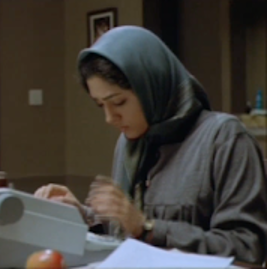
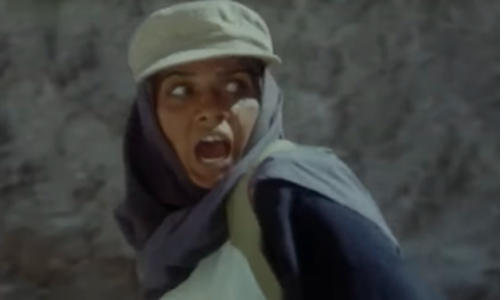
Figure 1: Maryam’s reaction to the approach of an Iraqi soldier. Still from The Survivors (Nijāt-yāftagān), directed by Rasūl Mullāqulīpūr, 1996.
Introduction
There is always an idea of what the inhabitants of a place should be, as this makes it much easier for the rulers to govern. In the constructed reality of those in power and those who seek to maintain the social and political order in line with their vision of an ideal society, nation, country, or community, such idealized figures are reproduced through official media.
In the Islamic Republic of Iran, representations supported by the regime portray only one ideal type of man and woman. These depictions are especially prominent in genres aligned with official discourse, such as art and cinema related to war. The regime has found in war discourses a means of preserving the notion of exceptional times, referencing the cohesion seen during the Iran-Iraq War, and thus justifying ongoing violations of rights and liberties, particularly against dissenting voices.
This article analyzes the reproduction of Fatīmah and Zaynab as the ideal figures for Iranian women to emulate. It begins by examining how the construction of the ideal woman is justified within the sociopolitical and religious framework of the Islamic Republic. The discussion then turns to the two main figures of emulation, Fatīmah and Zaynab, and the specific contexts in which each is invoked. The final part explores how these figures are represented in war cinema, with a particular focus on two films by Rasūl Mullāqulīpūr.
The production of Mullāqulīpūr has been selected over that of other directors due to his career-long focus on the war genre and his clear alignment with the official state ideology. His films hold significant status within the official cultural sphere; even Ibrāhīm Hātamīkiyā has recognized him as pioneer of Iran’s distinctive war cinema aesthetics and narrative approach to depicting the experience of battle and conflict.
Furthermore, in the post-war period, Mullāqulīpūr was the first director to explore women’s experience of war. However, the female characters in his films are portrayed from a male perspective, often as idealized representations of what women are expected to be, rather than as complex individuals with agency, decision-making power, and personal autonomy.
Idea of Woman
The concept of “woman” is often constructed as singular, allowing for only one acceptable model of womanhood. Occasionally, alternative variations emerge to respond to specific historical moments or exceptional circumstances. However, under most conditions, women are typically presented with a single, prescriptive role to fulfill or aspire to. This is why the rhetoric surrounding womanhood teds to be uniform, pointing to one idealized image of a woman.
This ideal woman is reinforced through constant, often imperceptible, reminders of what women should be and what roles they are expected to play. These reminders permeate daily life through media portrayals of “good” versus “bad” women, or through fictional characters depicted as role models who exemplify the correct way of living. In addition to these subtle influences, there are explicit sources of ideological reinforcement. For example, ‛Alī Sharī‛atī once claimed that “it is natural that the sexual differences cause class differences. Men fall into the class of ruling and owning, and women fall into that of the ruled and the owned.”1‛Alī Sharī‛atī, Fatima is Fatima (IslamicMobility.com, 1971), 99, https://www.islamicmobility.com//pdf/Fatima_is_Fatima.pdf. Similarly, Murtazā Mutahharī argued that while Islam granted women rights and liberty, it never encouraged them to rebel against or become cynical toward men.2Murtazā Mutahharī, Los derechos de la mujer en el Islam (Mexico City: Islamic Republic of Iran Embassy in Mexico, 1985); For its translation in English, see The Rights of Women in Islam, https://al-islam.org/rights-women-islam-murtadha-mutahhari
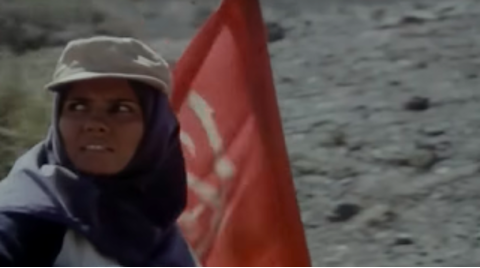
Figure 2: Maryam walking with the flag of the Basījīs she helps rescue. Still from The Survivors (Nijāt-yāftagān), directed by Rasūl Mullāqulīpūr, 1996.
Although the statements by Sharī‛atī and Mutahharī were made several decades ago, their underlying assumptions remain in the collective mindset of many Iranians, particularly among those aligned with the regime and conservative ideologies. The belief that women belong primarily in the private sphere, and that domestic labor is their principal duty, continues to dominate public discourse. Other roles, whether professional, academic, or political, are generally viewed as optional and secondary to the successful performance of reproductive labor.
A central mechanism for maintaining this ideal is legislation concerning reproduction, especially pronatalist policies. Political control over women’s bodies has been a strategic tool used by the regime for ideological purposes. As documented by Firoozeh Kashani-Sabet in Conceiving Citizens: Women and the Politics of Motherhood in Iran, this tactic predates the Islamic Revolution. Fertility rates have consistently been positioned as matters of political concern, both in times of crisis, when additional citizens are needed to sustain and defend the nation, and in times of stability, when population growth must be controlled.
Fertility control extends beyond reproduction policy. It also encompasses issues of socialization and national education. Women are expected not only to bear an adequate number of children but also to raise them as model citizens. As Kashani-Sabet explains in her concept of “patriotic womanhood,” women are tasked with instilling national identity in the next generation, through instruction, discipline, and personal example, and according to the expectations of the state, the regime, and society.3Firoozeh Kashani-Sabet, Conceiving Citizens. Women and the Politics of Motherhood in Iran (New York: Oxford University Press, 2011), 142.
Within the ideological framework of the Islamic Republic, “giving birth and raising children for the Islamic Iran was the primary duty of every Iranian woman in order to support their vanguard anti-imperialist government.”4Firoozeh Farvardin, “Reproductive Politics in Iran: State, Family, and Women’s Practices in Postrevolutionary Iran,” Frontiers: A Journal of Women Studies 41, no. 2 (2020): 32. This responsibility was especially emphasized during the foundational years of the Islamic Republic and the Iran-Iraq War, both of which were framed as periods of national crisis requiring population expansion to defend and establish the regime.
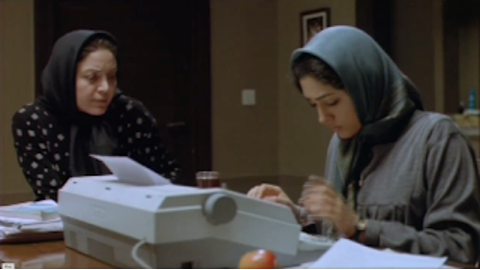
Figure 3: Sipīdah typing, accompanied by her mother. Still from M for Mother (Mīm misl-i mādar), directed by Rasūl Mullāqulīpūr, 2006.
Nevertheless, women challenge these archetypes and make autonomous decisions by working, studying, and entering public spaces to assert themselves as individuals. However, the stagnant regime makes it almost impossible for them to access positions of power, aside from the relatively easier path of promoting of men into such roles.
In almost every society, womanhood or the idea of woman is governed by the mandate of motherhood. Women are permitted to fail in fulfilling this role only in extraordinary situations, and even then, only as a contingency, often requiring some form of compensation for the failure. Those women who do conform to the mandate, whether by choice or imposition, are allowed to take on other roles only as secondary activities and only once reproductive labor has been adequately addressed.
Women around the globe are expected to manage domestic responsibilities, including household duties, family care, child-rearing, social obligations, and personal matters. Meanwhile, men are typically tasked with business, employment, civic engagement, and public affairs.5ʿAllāmah Muhammad Husayn Ṭabātabā’ī, Women in Islam (Light of Islam Books, 2017), 39. As expressed by Elaheh Koolaee “each society expects women and men to play their gender roles and to act according to behavioral patterns or characteristics that seem appropriate to them and fulfill their commitments.”6Elaheh Koolaee, “The Impact of Iran-Iraq War on Social Roles of Iranian Women,” Middle East Critique 23, no. 3 (2014): 285. While gender roles are a shared phenomenon across societies, their specific features vary according to the historical circumstances and societal needs, and these details evolve over time. In post-revolutionary and post-war Iran, official sources and individuals in positions of power have expressed support for maintaining this framework, and many have used their authority to reinforce it. A notable example is the Supreme Leader, who “views women’s issues through a very specific lens that focuses on motherhood, modesty, and the afterlife. He considers everything through the prism of God and God’s reward system for ‘good deeds.’”7Mateo Mohammmad Farzaneh, Iranian Women and Gender in the Iran-Iraq War (New York, Syracuse University Press, 2021), 355.
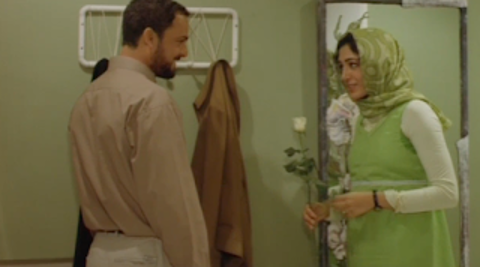
Figure 4: Sipīdah welcoming Suhayl at home. Still from M for Mother (Mīm misl-i mādar), directed by Rasūl Mullāqulīpūr, 2006.
Access to education and other basic rights are often justified as a means to enhance women’s capacity to educate their children. According to one perspective, “educated mothers not only would ensure the nation’s prosperity through their role as educators of children but also would create families in which loving interaction, pleasant exchanges, helpful kindness, good housekeeping, and religiosity would reign.”8Afsaneh Najmabadi, Women with mustaches and men without beards: gender and sexual anxieties of Iranian Modernity (Berkley, University of California Press, 2005), 189. It is important to note that this perspective is supported by curriculum tailored specifically for women’s education. Within this framework, women are not taught to think freely or to produce knowledge, but rather to be well-prepared for household tasks and for reproducing the appropriate cultural and religious traditions.
The official ideology concerning the role of women in Iran has always prioritized religious obligations that position women as the foundation of the family. They are viewed not only as educators and providers, but also as bearers and transmitters of honor, proper behavior, appropriate knowledge, and the social limits expected of each family member. All of this is accompanied by continual reminders of the roles each person is expected to fulfill. First-born children have different responsibilities and decision-making authority than the second or third-born children, and boys and girls are assigned widely divergent expectations. It becomes the mother’s duty to ensure that these obligations are clearly communicated and fulfilled.
Women are regarded the repositories of the honor and values of the family, and by extension, of society and the nation. Therefore, the nation begins in the wombs of women. Mothers are responsible for imparting ideological, social, and political tools to the next generation so that they may develop in society and contribute to the development of the nation itself. Women are considered as the mothers of the nation because they are responsible for both the bearing and education of future citizens, those men and women who will reproduce and strengthen the system.
The family is considered the fundamental unit of society, and women, as mothers of the nation, occupy a central role within it. Consequently, the state invests significant effort in controlling women and shaping the public and official conception of womanhood. This control is aimed at ensuring that the next generation will preserve the existing system and perpetuate the regime. This is one of the reasons—perhaps the main reason—why women are expected to sacrifice themselves on behave of the nation, which is seen as a higher cause.
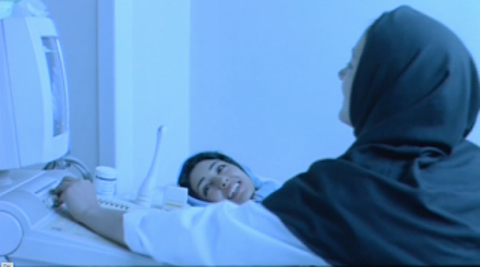
Figure 5: Sipīdah hearing the heartbeat of the baby in her womb. Still from M for Mother (Mīm misl-i mādar), directed by Rasūl Mullāqulīpūr, 2006.
To fulfill this objective, the Islamic Republic of Iran has made considerable efforts to shape, reshape, reinforce, and solidify the official idea of womanhood. These efforts are also aimed at limiting women’s opportunities in the public sphere, as “all laws, regulations, and their corresponding politics must be in the direction of facilitating the establishment of the family, the protection of its sanctity, and the maintenance of its relations based on Islamic law and ethics.”9Firoozeh Farvardin & Nader Talebi “(Un)familiar familialism: the recent shift in family politics in Iran,” Third World Quarterly (2024): 6. On one hand, the efforts serve as constant reminders to women of what they are expected to be. On the other, the regime imposes numerous laws to punish any deviation from this prescribed model.
Placing the family at the center of the national identity and defining nationalism through the material role of women represents a direct intervention of the regime into private spaces and individual choices. This constitutes the politicization of everyday life and a demonstration of the Islamic Republic’s power to control even the bodies of the women, not only through hijab policies, but also by restricting their ability to engage in anything beyond motherhood and domestic labor. As Firoozeh Farvardin noted, a “recent shift in reproductive policies eventually pushes more women back into families and care work, defeminizing the labor market while reinforcing the informal sector and family work units, which are mainly female based.”10Firoozeh Farvardin, “Reproductive Politics in Iran: State, Family, and Women’s Practices in Postrevolutionary Iran,” Frontiers: A Journal of Women Studies 41, no. 2 (2020): 36. Pronatalist ideology not only manifests in policies encouraging increased fertility rates, but also in the restriction of women’s participation in the labor market.
Being the “mothers of the nation” is not only limited to bearing and raising children. It extends to society as a whole, particularly to the men around them. Women are expected to care for, nurture, serve, and “mother” all those in need. A significant example of this expanded maternal responsibility can be found in the charity organizations that supported vulnerable populations, particularly those considered peripheral to the regime’s vision of ideal society. These organizations were among the first avenues through which woman organized and participated in public life, exercising agency and engaging in political activity. In the 1980s and 1990s, charitable work was the primary means through which women were publicly active, and such organizations are still expected to be managed predominantly by women.

Figure 6: Maryam pulling Rizā’s stretcher. Still from The Survivors (Nijāt-yāftagān), directed by Rasūl Mullāqulīpūr, 1996.
Two Figures
In the case of the Islamic Republic of Iran, the singular ideal woman is Fatīmah al-Zahrā, who is not only the mother of her children (Hasan, Husayn and Zaynab Kubrā ⸺Second and Third Imams, and the other women analyzed in this text), figures of great significance in the history of religion, but also the caretaker of her father (the Prophet of Islam) following the death of Khadījah (her mother). Women are thus obligated to provide care and service both to society and to all family members. In exceptional circumstances, such as war, the figure of Zaynab is invoked as an ideal. She endured extraordinary situations, confronting corrupt governors and even religious leaders who distorted the community’s path. Zaynab was vocal in defending justice and in occupying public space to do so.
The ideological significance of Fatīmah and Zaynab predates both the Revolution and the War, although the latter event marked the intensification of references to these figures and the shaping of the ideal woman. The most prominent and frequently cited effort to remind Iranian women that external role models are unnecessary, given the presence of these exemplary and relatable Muslim women, especially Fatīmah, is ‛Alī Sharī‛atī’s Fatīmah Fatīmah ast (Fatīmah is Fatīmah). The text not only outlines ideals but also explains the expectations placed upon the good Iranian women.
Conversely, references to Zaynab are contextual, linked to the reasons for her prominence in Shi’i Islam. Her actions are recognized as extraordinary and tied to specific historical events. Zaynab has maintained a continuous presence in Shi’i Muslim communities as part of a revered group of transcendent people. As a passive subject, she is the Prophet’s family member who was present at Karbala [Iraqi city known for the battle where Husayn and his 72 companions were assassinated by Umayyad soldiers]—facts that were not her decisions nor acts. As an active subject, however, she warned of incoming soldiers, confronted Yazīd (second Umayyad caliph), defended both her family and the community. She born into importance and chose to exercise her power.
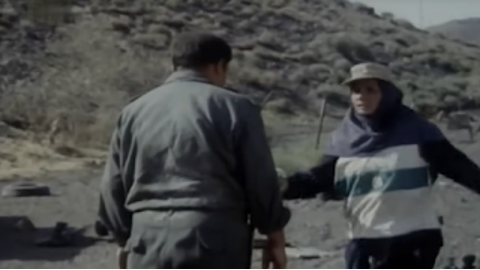
Figure 7: Maryam stopping ‛Abdalrahmān from leaving. Still from The Survivors (Nijāt-yāftagān), directed by Rasūl Mullāqulīpūr, 1996.
Their actions must be understood as consequences of their contexts. Fatīmah was primarily a nursing woman who became vocal only in response to the unjust treatment of her husband, Imam ‛Alī, by the heads of the religious community.11According to Shi’i Islam, ‛Alī should have been the caliph. However, after the Prophet’s death, the political and religious leaders of the community appointed another individual. Her husband was alive and able to speak for himself. Zaynab was vocal because she was the surviving figure. The circumstances were such that she became the spokeswoman of the community, and she proved herself worthy of her family’s legacy. Both were devout women who adhered to religious law and were constrained by their inherent gender roles, yet one took on the responsibility of organizing the community while the other focused on nurturing and caring for it.12Shirin Haghgou, “Archiving War: Iran-Iraq War and the Construction of “Muslim” Women,” (Master’s thesis, University of Toronto, 2014), 34.
Fatīmah is the mother of Zaynab, Hasan and Husayn, the daughter of Muhammad, the wife of ‛Alī and a key member of the founding community. A quintessential mother, she even became, as Sharī‛atī claims, the mother of her father.13‛Alī Sharī‛atī, Fatima is Fatima (IslamicMobility.com, 1971), 137, https://www.islamicmobility.com//pdf/Fatima_is_Fatima.pdf. For this reason, immediately after taking power, Khumaynī changed the date of Mother’s Day to coincide with Fatīmah’s birthday.
Zaynab, on the other hand, is regarded as a courageous figure who cursed her captors in Karbala, accusing them of usurping power after the Prophet’s death and obstructing the creation of a rightful and just Islamic society following the Revelation.14Shirin Haghgou, “Archiving War: Iran-Iraq War and the Construction of “Muslim” Women,” (Master’s thesis, University of Toronto, 2014), 34. The designation of Zaynab’s birthday as Nurses’ Day responds to her suitability as a role model for exceptional times.
The Islamic Republic of Iran has been highly effective in its efforts to encourage and console women through these figures. As Mateo Mohammad Farzaneh notes in Women and Gender in the Iran-Iraq War, women invoke Fatīmah and Zaynab to legitimize their wartime defiance and sacrifice. The propaganda system in Iran recognized early that “the second kind of indirect consequences [of war] are social and they include changes in population, reductions in the level of social services, changes in social movements, the transfer of social responsibilities from one sector to another and declines in various opportunities.”15Elaheh Koolaee, “The Impact of Iran-Iraq War on Social Roles of Iranian Women,” Middle East Critique 23, no. 3 (2014): 277-278. Consequently, the regime used images familiar to the Iranian Shi’i population to manipulate these social changes to fit their conception of nationhood, particularly in their transition from the ideological void of the pre-revolutionary period to a meaningful focus on religious figures.
The distinction between the use of Fatīmah and Zaynab as role models lies in their relevance to official discourse. Since the ceasefire in 1988, mentions of Zaynab in official propaganda have considerably decreased, as a vocal figure organizing the community against injustice is no longer deemed necessary. Instead, the regime now requires obedient women who accept their fate and nurture the nation. As Moallem states, “soon after the revolution, Zeinab was domesticated and marginalized,”16Minoo Moallem, Between Warrior Brother and Veiled Sister. Islamic fundamentalism and the politics of patriarchy in Iran (Berkeley: University of California Press, 2005), 93. The Islamic Republic now requires women to remain in the domestic space, allowing men to serve as the public heads of families and to manage all resources.
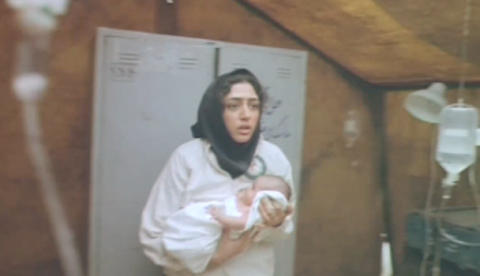
Figure 8: Sipīdah dreaming of holding a baby during the chemical weapons attack. Still from M for Mother (Mīm misl-i mādar), directed by Rasūl Mullāqulīpūr, 2006.
These figures are not new. Fatīmah and Zaynab have been integral of Shi’i ideology since its inception. However, their prominence during the Sacred Defense [name given by the Iranian regime to the Iran-Iraq War] and its aftermath proved beneficial to the regime by providing role models and consolation to women experiencing martyrdom in an indirect form.
Fatīmah
Fatīmah Zahrā was the daughter of the Prophet Muhammad and Khadījah. After the death of her mother, she became the closest person to her father and played a key role in the formation of Islam and the Muslim community (ummah). As Candace Mixon notes, “Fatima is so highly regarded especially in Twelver Shi’ism because it is no less than the bloodline to the Prophet Muhammad that is preserved through Fatima.”17Candace Mixon, Mother of her father: Devotion to Fatima al-Zahra in contemporary Iran (North Carolina: University of North Carolina, 2019), 9. She was the mother of the second and third Imams, the wife of the first Imam and, as mentioned, the daughter of the Prophet. Thus, she is quintessential to the People of the House (Ahl al-Bayt) because her sons, Hasan and Husayn, were the only surviving male descendants of the Prophet. This makes Fatīmah the “mother of the Imamate,” as she is the link between the Prophet and the Imams.
The Shi’i tradition presents her life as an example of behavior for all Muslims, but especially for women. She consistently served, cared for, nursed, and accompanied her father. She was faithful to the Revelation, followed the Prophet, opposed injustice, and was part of the community, all without neglecting her domestic duties. Her development in the public sphere was always dependent on its development in the private sphere.
Fatīmah was a role model because she unintentionally raised a martyr who died defending Islam. Although she was unaware of her son’s destiny, she prepared him to be capable of sacrifice and martyrdom. For this reason, clerical leaders launched campaigns to honor the role of mothers in raising children ready to sacrifice themselves in the name of religion and nation, with Fatīmah’s figure serving as the primary referent and inspiration.

Figure 9: Sa‛īd finishing his mother’s work at night. Still from M for Mother (Mīm misl-i mādar), directed by Rasūl Mullāqulīpūr, 2006.
In summary, Fatīmah’s tireless reproductive labor is generally exalted alongside with her dedication to religious mandates, regardless of the social or economic limitations imposed on women. In addition, she was the spouse of the opponent of those who claimed the political power and religious authority of the Prophet’s heirs. Fatīmah, as Sharī‛atī frequently emphasized, was the ideal woman and example, representing the best qualities a woman can embody. She was the model of a mother, a daughter, a wife, and a pious, modest, and obedient Muslim.
Sharī‛atī describes her as follows:
She is a symbol in all the various dimensions of being a woman.
The symbol of a daughter when facing her father.
The symbol of a wife when facing her husband.
The symbol of a mother when facing her children.18‛Alī Sharī‛atī, Fatima is Fatima (IslamicMobility.com, 1971), 182-183, https://www.islamicmobility.com//pdf/Fatima_is_Fatima.pdf.
Fatīmah is praised not only for being part of the Prophet’s family and the bearer of leaders and interpreters of the Revelation, but also for her daily actions. It is not a specific act that grants her this special place in the memory of the religion, but rather her continuous adherence to religious, political, and social rules. In the context of war, “clerical leaders praised and exalted mothers and launched intensive campaigns to honor women’s role in nurturing Shi’i children, reminiscent of Fatemeh’s unfaltering devotion to her sons, in particular Emams Hussein and Hasan.”19Hamideh Sedghi, Women and Politics in Iran: Veiling, Unveiling and Reveiling (Cambridge: Cambridge University Press, 2007), 93. Fatīmah remains a recurrent role model, but in exceptional times, she is the mother who taught her children that Islam and the Muslim community are more important than individual missions.
Fatīmah was the woman Islam wanted her to be, as Sharī‛atī stated and the Islamic Republic of Iran reproduces. This repeated invocation of her figure can be interpreted as a continuous effort to shape and reshape the idea of womanhood, since her figure epitomizes the life goals a woman is expected to pursue.
Zaynab
The memory of Zaynab’s life centers on her significance after the Battle of Karbala. Her prominence in Islamic history is attributed to her bravery and the pivotal role she played in organizing the community after the assassination of her brother. Although Zaynab’s life is integral to the Shi’i memory, it is important to note that this memory has been predominantly narrated by men. It is not her own voice that recounts the events, but rather the interpretations and narratives of male figures surrounding her.
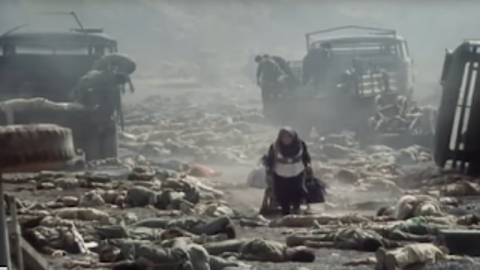
Figure 10: Maryam and Rizā crossing a field of war. Still from The Survivors (Nijāt-yāftagān), directed by Rasūl Mullāqulīpūr, 1996.
Nonetheless, Zaynab is remembered as a courageous and powerful woman who confronted the unjust governor responsible for the death of her family and the suffering of the community. The significance of the speech in the court of Yazīd lies not only in its content but also in the fact that it was delivered by a woman against a powerful male authority. It is essential to acknowledge that her authority was not derived from an ordinary position; she was the granddaughter of the Prophet Muhammad. However, given the societal perception of women’s inferiority, her boldness is considered even more remarkable. As Nicole Correri affirms, her hagiography is noteworthy for its portrayal of a strong, vocal, and authoritative female figure.20Nicole Correri, “Reconciling Zaynab: Constructions of Femininity in Shī’ī Online English-Language Majālis,” (Master’s thesis, Hartford Seminary, 2018), 1-2. This representation has the potential to shape cultural constructions of female power and leadership, particularly in the contexts of trauma and tragedy. Still, such portrayals are often filtered through the male gaze. Zaynab is largely seen through male-authored narratives and interpretations.
Her most renowned act is the speech that preserved the memory of Karbala. Without Zaynab, the remembrance of this event would have been significantly altered or potentially lost. Even ‛Alī Khāmanah’ī emphasized this point, stating, “Without Zainab Kubra (peace be upon her), that historical event called ʿĀshūrā would not have remained [in the memory of the people].”21Ali Khamenei, The Political and Striving life of Lady Zainab, trans. S. Ranjbar, ed. A. Rezwani (Mashhad, 2017), 12-13. Her actions ensured her place in Islamic history, not solely because of her familial ties to the Prophet, but also because of her own contributions. Karbala elevated her from being merely the Prophet’s granddaughter to a key figure in defending his spiritual heritage.22Ali Khamenei, The Political and Striving life of Lady Zainab, trans. S. Ranjbar, ed. A. Rezwani (Mashhad, 2017), 11. She became the companion of a martyr, the guardian of memory, the mourner, and the voice that carried the events forward. As Khāmanah’ī, the current Supreme Leader of the Islamic Republic, affirms, “The value and greatness of Zainab Kubrā (peace be upon her) is because of her great humanitarian and Islamic stance and movement. Her work, her decision, and her type of movement endued her this greatness.”23Ali Khamenei, The Political and Striving life of Lady Zainab, trans. S. Ranjbar, ed. A. Rezwani (Mashhad, 2017), 11.
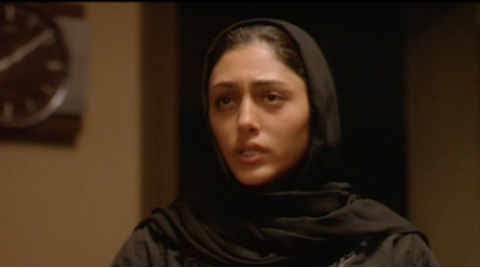
Figure 11: Sipīdah looking angrily at Suhayl. Still from M for Mother (Mīm misl-i mādar), directed by Rasūl Mullāqulīpūr, 2006.
As a result of her actions, Zaynab is regarded as a model of courage and a defender of truth and justice. Her story was mobilized during the Iranian Revolution and the Iran–Iraq War as a political symbol to justify and encourage women’s participation. “Zeinab became a political symbol to encourage women’s participation in the events of the revolution [and war]. Zeinab’s story legitimized the participation of masses of young women in the events of the revolution [and war] and prevented their families from forbidding them from taking revolutionary action.”24Minoo Moallem, Between Warrior Brother and Veiled Sister. Islamic fundamentalism and the politics of patriarchy in Iran (Berkeley: University of California Press, 2005), 93. The very existence of a sanctified female figure on the front lines in one of Shi’i Islam’s most significant historical moments validated and inspired the involvement of young Iranian women in both the revolution and the war. However, it is important to mention that depictions of Zaynab do not portray her solely as a rebel against tyranny; she is also portrayed as a spokeswoman for justice, a unifier of the oppressed, resilient in the face of loss, yet consistently conforming to her expected gender role as a woman.
This final aspect is particularly significant, as it contributes to the construction of Zaynab as a role model and an ideal figure for emulation. She is portrayed as an exceptional woman who conducted herself with propriety even in extraordinary circumstances. However, despite Zaynab’s strong character, she remains constrained by gender expectations and is presumed to have fulfilled reproductive responsibilities, such as caring for her child even in extremely challenging conditions, and directing her defiance solely toward male enemies, rather than leaders within her own community. This gendered framing is noted by Khāmanah’ī, who remarked that “she was a woman, a woman who was separated from her husband and family for a mission and it was also for this reason that she took her young children along with herself.”25Ali Khamenei, The Political and Striving life of Lady Zainab, trans. S. Ranjbar, ed. A. Rezwani (Mashhad, 2017), 12. This reflects the expectation that, even while defending the community and the revelation on the front lines, Zaynab was still responsible for her children and emotionally burdened by separation from her husband. Despite the recognition of her powerful speech, she is often remembered primarily as the grieving sister, as Sharī‛atī notes, and her leadership is acknowledged only in the absence of male figures, as “She continues the movement at a time when all of the heroes of the revolution are dead and the breath of the forerunners of Islam has ceased.”26‛Alī Sharī‛atī, Fatima is Fatima (IslamicMobility.com, 1971), 32, https://www.islamicmobility.com//pdf/Fatima_is_Fatima.pdf.
Zaynab’s leadership and resistance to the illegitimate authority positioned her as one of the most important symbolic figures during the Revolution and the Sacred Defense. However, he example was primarily invoked during periods of crisis, when such exceptional forms of female leadership were temporarily permissible. References to Zaynab were frequent because she represented the idea Muslim woman, who was vocal against injustice and tyranny, yet faithful, modest, and religious.
As the Prophet’s granddaughter, Zaynab belongs to a sphere of idealized women that serve to construct a particular narrative of feminine conservatism and patriarchal virtue. She is a figure who can be cited for her courage and resistance, while simultaneously representing submission, piety, and modesty. Her presence in religious history has been instrumentalized to justify women’s participation in revolutionary and wartime activities. This narrative was also used to persuade conservative families to support female involvement, and in some cases, families actively encouraged their daughter to support the war effort, either on the front lines or in supportive roles.
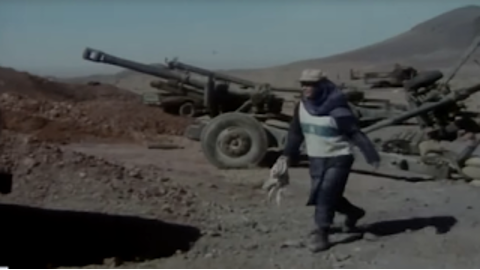
Figure 12: Maryam walking through the former frontlines. Still from The Survivors (Nijāt-yāftagān), directed by Rasūl Mullāqulīpūr, 1996.
At the same time, Zaynab’s image was used to inspire women to engage actively in the defense of their community, rather than waiting for others to act on their behalf. However, this inspiration was always framed within the limits of accepted gender roles. Her example served as a discursive tool to suggest an illusion of freedom and space for women in public life, portraying their participation in sociopolitical struggles as validated, while still subordinated to the larger patriarchal order. Like Husayn, Zaynab’s example was also used to encourage acceptance of martyrdom, positioning death in defense of belief as noble and privileged outcome.
Women’s indirect participation in the Iran-Iraq War responded to calls from Khumaynī and other revolutionary figures, who urged women to encourage their male relatives to join the front. They were asked to emulate Zaynab, who came to represent a symbolic encourager of martyrdom and a guardian of the community. At the beginning of the war, women’s involvement was largely confined to supporting male combatants and managing domestic responsibilities to allow men to focus entirely on the battlefield. Women were expected to send their relatives to war, paralleling Zaynab’s role in the martyrdom of Husayn and her sons. This comparison aimed to affirm that only the most devout Muslims are granted the honor of sacrifice, thus rendering martyrdom a beautiful and exalted concept.
Zaynab’s participation extended beyond her speech. She also fulfilled numerous reproductive tasks. She became a model for the ideal wartime woman: a traditional caregiver responsible for domestic duties such as cleaning, cooking, nursing, and emotional support, not only for children but for people of all ages. Her presence outside the domestic sphere was justified only by the exceptional context of war and revolution.
Consequently, following the ceasefire, Zaynab’s public image was domesticated and relegated to symbolic association with nursing. While society tends to revere nurses, this appreciation is generally confined to emergencies, not to everyday life. In a similar way, Zaynab was celebrated during wartime but was once again marginalized in times of peace.
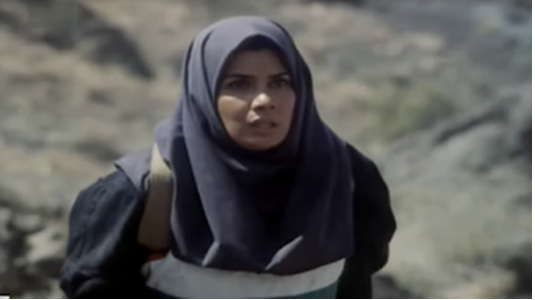
Figure 13: Maryam looking at a high hill. Still from The Survivors (Nijāt-yāftagān), directed by Rasūl Mullāqulīpūr, 1996.
War Cinema
Every war leaves profound effects on the population; all members of society suffer its consequences. Wars are not limited to bombs, frontlines, soldiers. They also involve wounds, aftermaths, absences, grief, and, importantly, discourse and propaganda.
During the Iran-Iraq War, the Iranian state used the violent context as a means of fostering social cohesion. The focus on external threats, posed by an enemy portrayed as intent on destroying the country, the nation, the Revolution, and everything deemed valuable by the Islamic Republic, served to reinforce ideological constructions of masculinity and femininity in accordance with the regime’s political vision of the nation.
Cinema was one of the media tools employed by the regime during the war to convey representations of the battlefield and to articulate expectations of the population. These expectations extended beyond formal citizenship, as participation was not restricted to adult men; rather, it included all individuals who were physically capable and ideologically willing to contribute directly to the war effort or to support it from adjacent spaces. Contrary to retrospective narratives that focus solely on combat, wartime cinema emphasized the broader calls to participation, including support roles and labor near the frontlines.
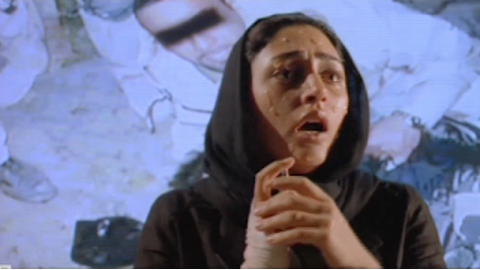
Figure 14: Sipīdah showing severe symptoms of mustard gas exposure. Still from M for Mother (Mīm misl-i mādar), directed by Rasūl Mullāqulīpūr, 2006.
In the post-war period, the memory of the conflict has been mobilized to justify the continuation of exceptional conditions. Commemoration is not limited to past events but is also used to maintain the sense of persistent external threat. In the cinematic domain, films such as Bodyguard (Bādīgārd, 2016) and Times of Damascus (Bih vaqt-i Shām, 2018), both by Ibrāhīm Hātamīkiyā, attempt to integrate current official concerns within the symbolic framework of the war, reinforcing the idea that war is war, regardless of who the adversaries are.
While the inclusion of women in wartime propaganda began early in the war, their presence in cinema followed a different trajectory. The first films to feature women in main roles, where they possess a discernible voice both diegetically and extra-diegetically, emerged only after the ceasefire. These initial portrayals were crafted by male filmmakers, including The Survivors and Hīvā (1998) by Mullāqulīpūr, as well as Ibrāhīm Hātamīkiyā’s The Scent of Joseph’s Shirt (Bū-yi pīrāhan-i Yūsuf, 1995) and Minoo Watchtower (Burj-i Mīnū, 1996). Prior to these portrayals, women were largely absent from diegetic narratives during the eight years of active conflict. When they did appear, it was solely as supportive characters, included only to enable the development of male protagonists.
This male-dominated construction of female characters is evident in their narrative function. These women exist primarily in the service to men, not only performing domestic tasks such as cleaning, cooking, and serving food, but also resolving all matters in the domestic sphere so that men may fully engage in the public domain. Their existence is justified solely by their capacity to support the male protagonists. Similarly, in religious discourse, female figures are often remembered only through their proximity to male icons such as the Prophet, the Imams or other notable men.

Figure 15: Maryam pulling Rizā through the long way out of the field. Still from The Survivors (Nijāt-yāftagān), directed by Rasūl Mullāqulīpūr, 1996.
The representation of idealized figures is not merely a reproduction of religious or ideological texts. In cinema, these ideals must be translated into the context of everyday life. The incorporation of such ideals into cinematic narratives requires adaptation, and this process is crucial in revealing how the regime shapes notions of citizenship through cultural production. Tracing these cinematic efforts can provide critical insights into the ideological frameworks that govern film production in the Islamic Republic.
These veiled references serve to stereotype ideals with the intention of encouraging spectators to reproduce them in their own lives, and to identify and glorify both everyday and exceptional actions that align with these ideals. Accordingly, propaganda imagery and other representations aimed at shaping society depict stereotypical versions of these ideals. When such stereotypes and referents are used by a regime to mold its conception of citizenship, the effort involves the obligation to serve the nation. The underlying mission is to remind individuals that they are expected fulfill both private and public duties in service of the country. This dynamic is evident in the genre of war films in Iran. The official discourse surrounding the Sacred Defense constructs portrayals of ideal men and women who embody propriety while also serving as exemplary citizens in the public sphere.
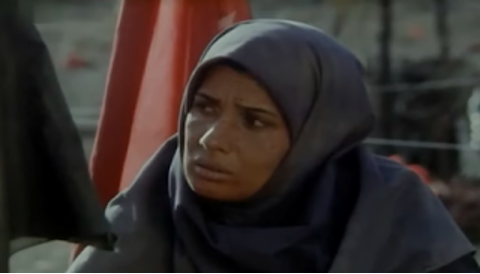
Figure 16: Maryam looking at the chaos after the landmine explosion. Still from The Survivors (Nijāt-yāftagān), directed by Rasūl Mullāqulīpūr, 1996.
Films
This section analyzes two films by Rasūl Mullāqulīpūr to exemplify official efforts to shape the concept of womanhood, while also providing insight into the ideology of the regime and its expectations of women.
The first film, The Survivors (1996), and the second, M for Mother (2006), were released a decade apart. Despite the time difference, both films depict strikingly similar female characters who react to their environments in ways consistent with prevailing gender norms. These characters conform to the stereotypes of “good women” and can be ideologically aligned with figures such as Fatīmah and Zaynab.
In The Survivors, the protagonist Maryam, a nurse, emerges as the temporary leader of a small community. She embodies dignity and compassion, prioritizing the care of others despite fear and her initial reluctance. Though she expresses a desire to quit, her sense of duty and moral responsibility prevails, and she ultimately honors the role she has assumed.
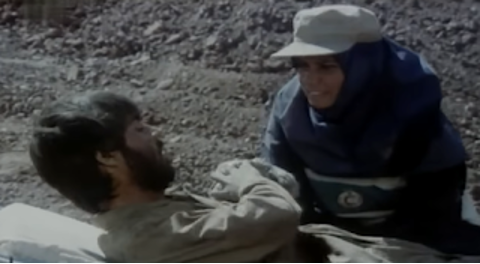
Figure 17: Maryam explaining to Rizā that she is allowed to touch him to administer his medical treatment. Still from The Survivors (Nijāt-yāftagān), directed by Rasūl Mullāqulīpūr, 1996.
The film opens with scenes of retreat from the frontlines and a brief overview of the context: Maryam, fleeing bombings, decides to take with her a wounded war volunteer who cannot escape on his own due to severe, though non-life-threatening, injuries. This decision positions her as a leader, but under very specific and exceptional circumstances.
This situation placed her in the role of leader and illustrates how, when, and where a woman can be a leader: when a man is either dependent or incapable of leading, in contexts of emergency, and when an extraordinary woman demonstrates responsibility and respect. To sum up, the representation of Maryam as a leader in exceptional times is a form of typecasting, presenting the only scenario in which a woman can temporarily occupy a leadership role, as the situation is clearly delimited. Maryam’s leadership is framed as permissible solely under extreme and temporary conditions, reflecting a typecasting of female leadership as conditional and limited. Her role is reminiscent of Zaynab’s temporary leadership in the absence of qualified men. Although Rizā, the injured volunteer, is physically incapacitated and unable to lead, Maryam repeatedly emphasizes her respect for him and asserts her need for his protection. Despite his immobilization due to a back injury, she consistently turns to him in moments of fear, crying out for help. From the outset, she declares her inability to use a weapon, refusing to even touch the Kalashnikov, and begs Rizā to accompany her on the journey.
Once the main characters are established, Mullāqulīpūr introduces additional figures, the most prominent being ‛Abdalrahmān, an Iraqi soldier. Initially, threatening to shoot Maryam and Rizā, he soon seeks medical assistance for his already-deceased comrade. They encounter leads to a theological discussion in which ‛Abdalrahmān claims that only Arabs can be Muslim, based on the Prophet’s Arab identity, and denies Iranians the right to visit Karbala. In response, Rizā delivers an eloquent argument asserting that Islam is a religion grounded in belief, not ethnicity.

Figure 18: ‛Abdalrahmān showing a memory he brought from Karbala. Still from The Survivors (Nijāt-yāftagān), directed by Rasūl Mullāqulīpūr, 1996.
‛Abdalrahmān plays a pivotal role in the narrative, serving as a bridge between Iranians retreating from the war and the Iraqi enemy. He is portrayed not merely as combatant but as a human being with beliefs, while simultaneously depicted as a subject of propaganda and manipulation by his leadership. The film clearly distinguishes between Saddam Hussein, who is positioned as the enemy, and individual Iraqis such as ‛Abdalrahmān. Ultimately, ‛Abdalrahmān sacrifices himself to save Maryam and Rizā, emphasizing the notion that it is not the Iraqi people who are the antagonists, but rather Saddam, who assumes the role of the Yazīd figure. He is presented as the one who initiated aggression and forced both nations into conflict, while the shared Islamic faith is emphasized as the deeper connection between individuals on both sides. Maryam, cognizant of her position as a woman, remains in the background during these interactions, allowing Rizā to manage the situation. She only intervenes when personally offended, while the theological debate remains a conversation between men.
Mullāqulīpūr situates the narrative within a specific historical moment, incorporating the announcement of the ceasefire. This point in time is depicted as ideal for exploring the ethics and behaviors of soldiers and civilians alike, amid an atmosphere of uncertainty. Although the Iranian group is portrayed as wounded and vulnerable, they temporarily include an Iraqi soldier, sharing water and food. However, the broader Iraqi forces ultimately attack, violating the implicit trust established. The Iranians are shown as only acting in self-defense and in accordance with orders, whereas the Iraqis exploit their advantage by launching artillery attacks, thereby violating international agreements.
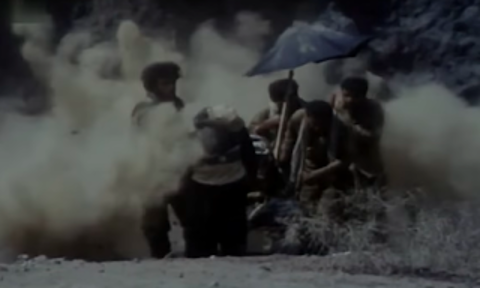
Figure 19: The group being attacked after the ceasefire. Still from The Survivors (Nijāt-yāftagān), directed by Rasūl Mullāqulīpūr, 1996.
A significant philosophical exchange occurs between Rizā and Maryam after they cross a field strewn with Iraqi corpses and encounter ‛Abdalrahmān for the first time. The discussion centers around fate and purpose. Maryam expresses disillusionment, revealing that she initially pursued medical school to escape marriage and help others, never intending to be on the front lines of war. Meanwhile, Rizā articulates a clear sense of purpose, affirming his willingness to become a martyr in defense of the Islamic Republic. Maryam is portrayed as emotional and conflicted, questioning her presence in such a perilous environment. Rizā, however, remains composed and resolute, suggesting that the rationale behind one’s presence is less important than the fulfillment of one’s duty. He is severely injured and may be unable to walk, but he remains in control of his emotions. This contrast reinforces traditional gender stereotypes, portraying women as emotional and men as rational.
Following the announcement of the ceasefire, the main characters focus their efforts on leaving the front and returning to their cities. At this juncture, Maryam “adopts” a group of injured and weakened Basījīs. Despite their physical impairments, they join Maryam and Rizā, recognizing that Maryam’s ability to walk and her medical expertise render her essential to their survival. Mullāqulīpūr repeatedly emphasizes the diegesis that the Basījīs accept Maryam’s leadership due to her physical capability, while also reinforcing her respect for Rizā’s authority and her willingness to follow his instructions.
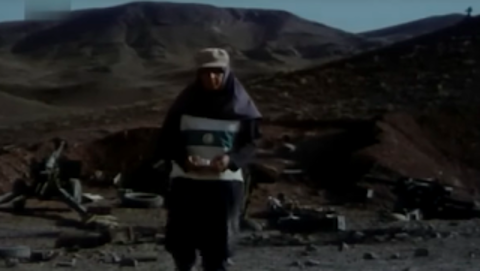
Figure 20: Maryam sharing food with ‛Abdalrahmān. Still from The Survivors (Nijāt-yāftagān), directed by Rasūl Mullāqulīpūr, 1996.
Maryam’s medical training is central to her presence at the front and to the respect she receives from the male characters. She is not only a nurse but also represents the ideal of a devout Muslim woman. Her decision to include an Iraqi soldier in the group and provide him with care reflects a commitment to the principles of dignity and the unity of the Muslim community over pride, victory, or nationalist sentiment. Even in the context of war, her role as a caregiver transcends national boundaries. Through her actions, she affirms that moral responsibility and compassion are higher values than victory. Above all, she is portrayed as both a competent healthcare professional and, most importantly, a virtuous Muslim.
At the beginning of their journey, Maryam informs Rizā that she is permitted to touch him due to her professional duties, but not by personal choice. She must even compel him to accept medical treatment after he initially refuses on religious grounds. This seemingly minor plays a crucial role in justifying certain diegetic interactions and highlighting that, while Maryam is a devout Muslim, she is also a highly competent healthcare professional who prioritizes her patients’ well-being over restrictive interpretations of religious norms. Her actions are legitimized by a fatwa that permits female medical practitioners to physically attend to male patients when necessary. This conversation functions to rationalize the presence of female medical staff on the front lines. Even in times of crisis, the public sphere remains male-dominated, and the belief that war is an exclusively male domain persists. Maryam and Zaynab are present not by personal choice, but because the extraordinary circumstances demanded it. Both women rise to these exceptional challenges, performing their roles with remarkable competence. Maryam could have fled at the beginning, thereby relinquishing all responsibility, but instead chooses to stay and care for Rizā. In doing so, she assumes an extraordinary role of caring for others and taking the lead, just as Zaynab confronted Yazīd and defended her family and moral heritage.
Maryam is portrayed as Zaynab in multiple capacities: as a leader, a voice against injustice, a healthcare provider, and a devout Muslim committed to the principles of communal care and protection. Though she never verbalizes her religiosity, her actions reflect a lived embodiment of Islamic conviction. She lives as Zaynab would, through deeds, not declarations.

Figure 21: Maryam gazing at an ambulance and a rocket behind it. Still from The Survivors (Nijāt-yāftagān), directed by Rasūl Mullāqulīpūr, 1996.
In M for Mother, the protagonist Sipīdah is constructed through a set of stereotypes shaped by men and designed to instruct women on ideal behavior. She is portrayed as a nurse during the war who selflessly sacrifices herself for the fighters, defies medical professionals and her own family to pursue motherhood, and continues to serve vulnerable populations through her work. In contrast, the main male character, Suhayl, her husband, embodies moral weakness, poor decision-making, and unethical behavior. He functions as a symbolic representation of the perceived flaws within the Islamic Republic. Neither character represents a realistic individual; rather, both are built upon idealized and reductive clichés. They do not depict a real family but instead serve as embodiments of entrenched cultural binaries of virtue and vice.
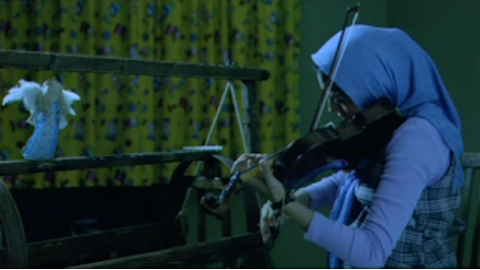
Figure 22: Sipīdah playing the violin by her baby’s crib. Still from M for Mother (Mīm misl-i mādar), directed by Rasūl Mullāqulīpūr, 2006.
Sipīdah alternates between the symbolic figures of Fatīmah and Zaynab depending on the sociopolitical context of the nation, not her own individual trajectory. She exists in a state of perpetual exceptionality, which requires her to adapt constantly to idealized models of womanhood. During the war, she aligns with Zaynab, present on the front lines due to the emergency, offering support to the community. In this role, she sacrifices herself by giving her gas mask to a soldier during a chemical attack. In the post-war context, she becomes more closely aligned with Fatīmah, embodying the ideal of the domestic woman. Her role shifts to that of a housewife whose sole aspiration is motherhood.
In peacetime, Sipīdah is depicted as an appropriate wife who functions mainly in the domestic sphere. She waits for her husband to return from work, for his decisions about her life, for doctors to tell her what course of action to take. She is portrayed as a passive subject who waits, accepts, and obeys, submitting to a predetermined fate and relinquishing personal agency. Her character represents a vision of womanhood defined by patience, submission, and obedience.
From the outset, it is evident that Suhayl, Sipīdah’s husband, is portrayed negatively, particularly when he denies her the opportunity to become a paid and potentially successful orchestra musician. His refusal to support her career ambitions is framed as a failure to fulfill his responsibilities as a husband and provider. His most egregious act, however, is his attempt to impose an abortion on Sipīdah, an act interpreted as an effort to interfere with divine will. In defiance of both medical authority and patriarchal control, Sipīdah, evoking the symbolic figure of Zaynab, rejects his demand and continues with the pregnancy. Later, when he returns and convinces her to try an alternative medical method, it results in premature labor, leading to the birth of a child with numerous health complications, both anticipated and unforeseen.

Figure 23: Sipīdah and Suhayl looking at the door of the room where an abortion is taking place. Still from M for Mother (Mīm misl-i mādar), directed by Rasūl Mullāqulīpūr, 2006.
Sipīdah’s confrontation with her husband, who represents the family’s authority, serves as a manifestation of her maternal mandate. She chooses to carry the pregnancy to term despite the doctors’ warnings and the potential risks stemming from her exposure to chemical weapons. Her decision is not based on a rational debate over alternatives but rather on an internalized belief that motherhood constitutes a woman’s ultimate purpose. She does not question this belief but rather accepts and embraces it uncritically. As a result, Sipīdah is depicted as a woman wholly defined by her desire to become a mother, willing to sacrifice all other ambitions or interests. This is exemplified in the scene where she abandons her at-home teaching job to comfort her infant. After waiting for some time, the student quietly leaves, once again leaving Sipīdah without an income. This scene reinforces the prioritization of domestic responsibilities over professional aspirations, a narrative emphasized by ‛Alī Khāmanah’ī and other important figures in the Islamic Republic. Although Sipīdah is compelled to undertake work she dislikes due to Suhayl’s irresponsibility and lack of commitment, exemplified by his refusal to allow her to join the orchestra, she is a still portrayed as a morally superior woman, a figure aligned with Fatīmah. Her virtue lies in her willingness to forgo professional fulfillment to uphold her domestic duties, which are depicted as her primary responsibility.
Mullāqulīpūr includes numerous subtle references to the construction of ideal womanhood. These range from grand gestures, such as refusing an abortion or surrendering the last gas mask during a chemical attack, to more domestic and interpersonal moments. For example, when her son Sa‛īd asks about his father, Sipīdah tells him that his father is “untraceable” rather than revealing the truth—that he chose to abandon them. This seemingly minor falsehood emphasizes the expectation that childbearing and child-rearing are entirely women’s responsibilities. She manages the emotional consequences of another’s decisions without exposing her child to the truth, thus preserving the integrity of the household at her own expense. This pattern continues when she flatly refuses to entertain the romantic interest of her employer, who proposes that she meet his mother and consider marriage. Sipīdah rejects the suggestion outright. Her refusal is not portrayed as a personal choice based on emotional or rational considerations, but rather as further confirmation of her identity: she is, above all else, a devoted mother and only that.
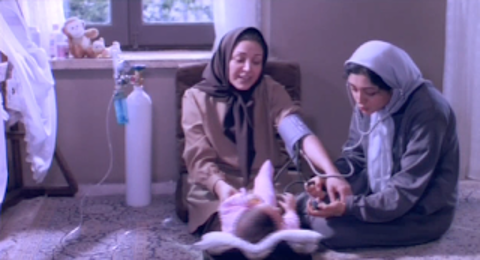
Figure 24: Sipīdah and her mother taking care of baby Sa‛īd. Still from M for Mother (Mīm misl-i mādar), directed by Rasūl Mullāqulīpūr, 2006.
To summarize, motherhood is portrayed as the most important role for a woman, one that must be pursued regardless of circumstances, even if the child may suffer from poor health, lack of quality of life, or the family is facing collapse. Moreover, Sharī‛atī’s notion of Fatīmah as the “mother of her father” is echoed in Sipīdah’s role as the caretaker of her mother. Sipīdah assumes full responsibility for her mother’s well-being: she feeds her, plays music for her, and manages her life. In doing so, she becomes the “mother of her mother,” the ultimate embodiment of maternal duty, performing her role without complaint, fully aware of the burden as a natural responsibility.
In addition to this, Sipīdah fulfills the symbolic role of Fatīmah as the mother of a victim, a jānbāz (disabled war veteran), who is doubly victimized: first by Iraqi chemical weapons, and second by his father. Diegetically, Suhayl represents the embodiment of moral failure and malevolence. Each of his appearances serves to reinforce or deepen the viewer’s negative perception of his character. He abandons Sipīdah in the hospital after she again refuses his demands. This time, his insistence on sending Sa‛īd to a sanatorium due to the complications caused by his premature birth. Despite his repeated neglect of familial duties, Suhayl intermittently reappears, further disrupting their lives. Every time he is reintroduced into the narrative, the consequences are destructive, especially for Sa‛īd, whom Suhayl refuses to acknowledge as his son. He attempts to remove the child from their lives while simultaneously expressing a desire to remarry Sipīdah, claiming he still loves her and considers her the ideal wife. However, he makes it clear that he will not accept Sa‛īd as part of that future. True to her symbolic alignment with Fatīmah, Sipīdah refuses this proposition, even though it means continued economic and social hardship.

Figure 25: Sipīdah rejecting Suhayl’s new proposal. Still from M for Mother (Mīm misl-i mādar), directed by Rasūl Mullāqulīpūr, 2006.
Finally, Mullāqulīpūr presents Sipīdah as a model citizen who serves the nation not only by fulfilling her familial duties but also through her public service. She is a mother of her son, a caregiver to her mother, and a helper to anyone within her reach. Her social contribution extends further, as she teaches music to disabled children. Although she enters the public sphere out of necessity rather than choice, her work is rendered honorable precisely because it is rooted in care and service to others.
In conclusion, Sipīdah is portrayed as the ideal Zaynab in moments that demand action and vocal resistance, yet she embodies Fatīmah for most of the narrative. She fulfills stereotypically feminine duties without complaint or hesitation, fully aligning with the Islamic Republic’s expectations for women. Her moral and symbolic perfection is achieved through her consistent actions and sacrificial choices.
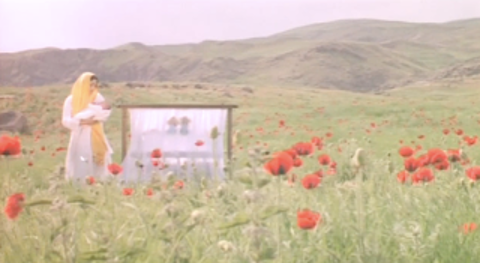
Figure 26. Sipīdah rocking Sa‛īd in her dreams. Still from M for Mother (Mīm misl-i mādar), directed by Rasūl Mullāqulīpūr, 2006.
Conclusion
The representation of women in the official and officialist cinema of the Islamic Republic of Iran closely aligns with the stereotypes propagated by religious discourses, which seek to impose these figures as the sole models for emulation. These idealized figures are sometimes veiled but always present, as the regime consistently capitalizes on opportunities to remind the Iranian population of their expected roles and identities.
It is important to note that after the war ended, the reconstruction of Iran encompassed not only cities and infrastructure but also the rebuilding of ideology and a new collective self-understanding within the global context. Official and officialist films serve as significant vehicles for transmitting and shaping the vision of the “new Iran” as a nation and defining the ideal citizen to inhabit the country, not only as a physical space delineated by borders but also as a spiritual homeland for those who embrace their identity as Iranians and loyal members of the Islamic Republic.

Figure 27: Maryam shouting triumphantly after the ceasefire. Still from The Survivors (Nijāt-yāftagān), directed by Rasūl Mullāqulīpūr, 1996.
Since its inception, the war genre has been an ideal arena for constructing this national ideology, as the war represented an exceptional period during which communal unity and prioritization of internal solidarity against external threats were paramount. The war established conditions favorable to a regime that privileges a select few. In the postwar period, the genre has been instrumental in disseminating key regime messages, as evidenced in the analyzed films. The Survivors was produced shortly after the ceasefire, during a moment of reconstruction and redefinition of enemies, contexts, and social realities; thus, Saddam Hussein is explicitly identified as the enemy, while loyal Iranian citizens seek to avoid further conflict and embody the qualities desired by the nation. In contrast, M for Mother was produced several years later amid state concerns regarding declining fertility rates, which explains the exaltation of motherhood and the film’s implicit call for women to embrace motherhood as life’s primary purpose despite any obstacles.
Finally, it must be emphasized that artists shape not only the images but also the behaviors and ideals that citizens are expected to embody and pursue, depicting exemplary individuals who persistently strive toward sanctification. Consequently, films such as M for Mother and The Survivors play a crucial role in maintaining and legitimizing the regime, as characters like Sipīdah and Maryam represent the model women that the Islamic Republic seeks to promote.

Figure 28: Sipīdah saying “M for mother” just before dying. Still from M for Mother (Mīm misl-i mādar), directed by Rasūl Mullāqulīpūr, 2006.
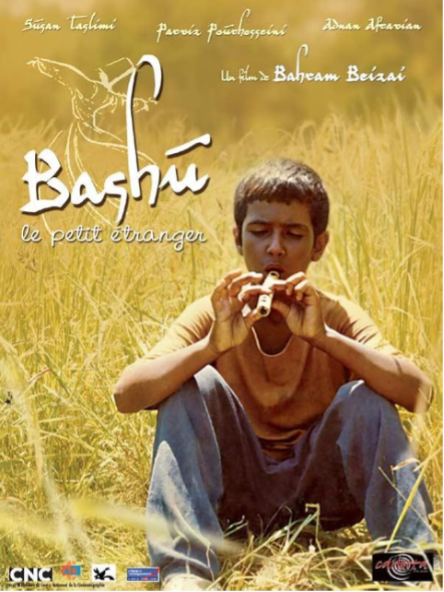
Figure 1: Poster for Bashu, The Little Stranger (Bāshū, Gharībah-yi Kūchak), directed by Bahrām Bayzā’ī, 1986. Source: IMDb.
Introduction1The title is derived from a quote in the film: “ū misl-i hamah-yi bachah-hā farzand-i āftāb u zamīn ast” (Like all children, he [Bāshū] is the child of the sun and the earth). Translated by the author. Bashu, The Little Stranger, dir. Bahrām Bayza’ī (Iran, 1986), 01:42:09.
Bāshū, the film’s protagonist, is a young black Arab boy hailing from Khūzistān, located in the southwestern region of Iran. Tragically, he lost his entire family during the devastating bombings of the Iran-Iraq war (1980-1988). Filled with fear and confusion, Bāshū flees through the vast fields until he stumbles upon a truck. Seeking solace, he hides on the back of the truck and eventually drifts into a deep sleep. When Bāshū wakes up, he finds himself in a completely unfamiliar world, a stark contrast from the land he once knew. This new place is the northern part of Iran, adorned with lush green forests and a serene rural atmosphere. With a leap of faith, Bāshū jumps off the truck and ventures into the forest, eventually finding Nā’ī’s paddy field.
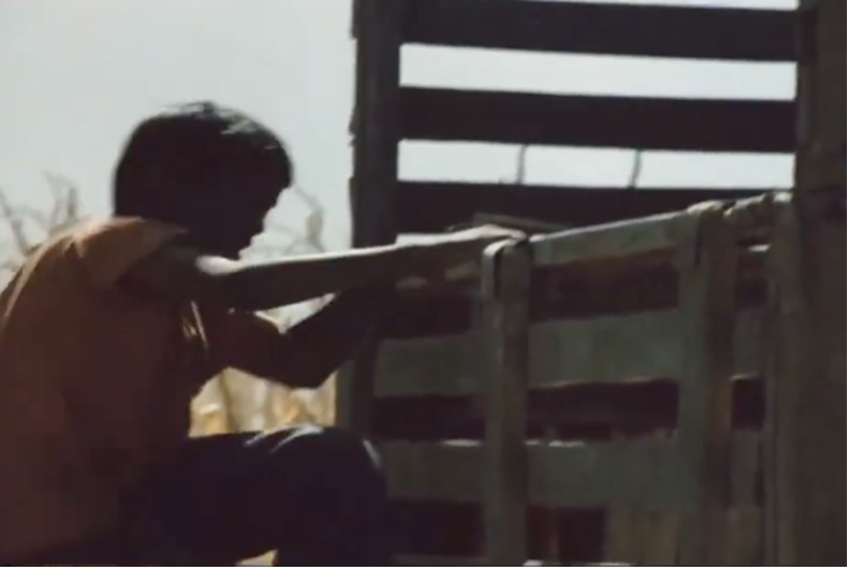
Figure 2: Bāshū jumping into the back of a truck where he falls asleep. Frame enlargement of a screenshot from the film Bashu, The Little Stranger (Bāshū, Gharībah-yi Kūchak), directed by Bahrām Bayzā’ī, 1986 (00:03:48).
Nā’ī, a strong and independent Gīlakī woman, resides there with her two children and a playful dog. Suddenly, Nā’ī’s children spot Bāshū, trembling in the bushes under a small wooden bridge. In an instant the entire screen is filled by a close-up of the concerned face of their mother (Figure 3). Nā’ī’s eyes, framed by the sharp angles of her white scarf, hold a mixture of worry and suspicion. Holding each end of her scarf tightly, she gazes anxiously at her children, then casts a wary glance at the stranger nearby. The intensity and beauty of this tableau linger with viewers throughout the duration of the film.
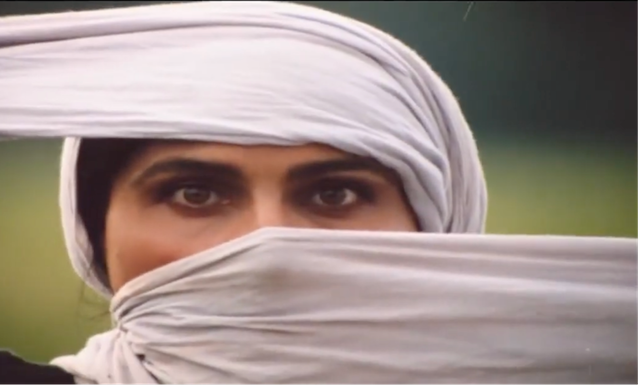
Figure 3: Nā’ī’s close-up after hearing her children call to visit the stranger hidden under the wooden bridge. Frame enlargement from the film Bashu, The Little Stranger (Bāshū, Gharībah-yi Kūchak), directed by Bahrām Bayzā’ī, 1986 (00:11:37).
Although Nā’ī decides to shelter Bāshū in her family, the people of the north are taken aback by the unfamiliar dark color of Bāshū’s skin, which sparks fear and concern upon their first encounter. Nā’ī extends her compassion by offering him rice, bread, and water. Throughout the film Bāshū experiences post-traumatic stress disorder and sees visions of his dead mother (Figure 4). Slowly but surely Nā’ī begins to bridge the gap between them, welcoming Bāshū into her home and caring for him as if he were her own eldest son. As time passes Bāshū’s fearful and rebellious nature subsides, and he wholeheartedly contributes to the household and farm chores.
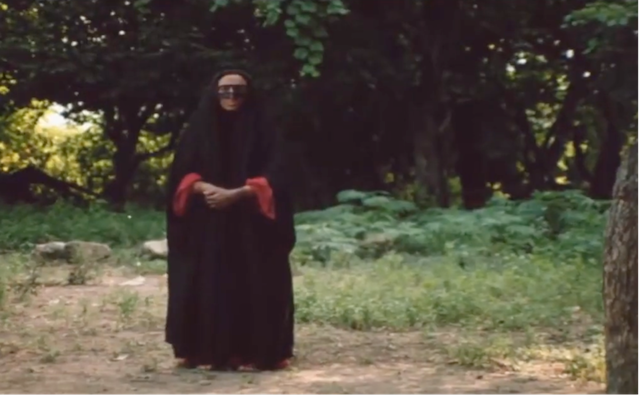
Figure 4: One instance of the vision of Bāshū’s mother, whom he occasionally sees during the film. Frame enlargement from the film Bashu, The Little Stranger (Bāshū, Gharībah-yi Kūchak), directed by Bahrām Bayzā’ī, 1986 (00:23:07).
Despite Nā’ī’s unwavering support, the villagers remain suspicious of Bāshū’s presence. Even the letters received from Nā’ī’s husband express doubts about accepting a mute stranger into their home. Nevertheless, Nā’ī remains vigilant, keeping a watchful eye on Bāshū. Over time they manage to communicate with each other, using a unique blend of Gīlakī, Persian, and Arabic, forming a language that serves as a mediator between them. Towards the end of the movie, Nā’ī’s husband who had apparently left the family for work, returns home, with a lost arm.2Bayzāʼī refrains from explicitly disclosing the whereabouts of the husband, yet the absence of one of his arms hints at his return from the Iran-Iraq war, a topic that, according to authorities within Iran’s Ministry of Culture and Islamic Guidance, should remain concealed. He confronts Nā’ī for keeping Bāshū against his wishes, leading to a tense argument. However, as Bāshū arrives to shield Nā’ī from her husband, he boldly questions, “Who is this man?”3Bashu, The Little Stranger, dir. Bahrām Bayzā’ī (Iran, 1986), 01:51:55. Astonishingly, the husband’s demeanor undergoes an unexpected transformation, and he responds, “father.”4Bashu, The Little Stranger, dir. Bahrām Bayzā’ī (Iran, 1986), 01:52:04. Bāshū asks “Where were you?” and the husband’s answer is heartwarming: “I was looking for you”5Bashu, The Little Stranger, dir. Bahrām Bayzā’ī (Iran, 1986), 01:52:09. Bāshū offers his hand in a handshake, only to notice the father’s missing limb. In that moment their shared experiences of loss and hardship bring them together. This astonishing yet somewhat unbelievable change in the husband’s attitude eradicates the last barrier hindering Bāshū’s complete assimilation into Nā’ī’s chosen family.The film concludes with an exciting scene where the entire family, including the children, run joyfully into the farm field and make loud noises to scare away a troublesome boar. This image symbolizes their unity and resilience in the face of adversity, proving that love and acceptance can triumph over prejudice and war.
Bāshū, the Displaced
The figure of the street boy with a flute in Satyajit Ray’s short Two (1964) resonates intertextually with a kindred presence in Bahrām Bayzāʼī’s feature film of mid-1980s Iran. Both films are about human connection yet while Ray’s short depicts the failure of connection in a hierarchical society, Bayzāʼī goes further to cultivate human connection between two racially, sexually, and ethnically different characters: a boy from southern Iran and a woman from northern Iran. Two is a 12-minute film without dialogue that depicts a contrast between a rich child from a privileged background and a poor child from a slum area in India. The rich child initially enjoys his toys and the comforts of his lifestyle, while the poor street child plays a hand-made flute. The rich boy tries to show off his toys to the poor child through the window of his home, but the poor child responds with his own homemade instruments and toys in the street. The rich child, still unsatisfied, continues playing with his toys, but notices a kite being flown by the poor child. Out of anger and jealousy, the rich child uses his slingshot and air-rifle to shoot down the kite, taunting the poor child. The poor street child, unable to compete, returns home with tears in eyes and a torn kite giving up on trying to be friends with the rich child, while the rich child reflects on his actions as his toy tower falls when we hear the poor child’s flute melodies. As the film was made during the Vietnam war (1954-75), Ray’s short can be seen as a metaphor for the Vietnam War, with the rich child representing the United States and the poor child symbolizing Vietnam. In this case, both Ray’s short and Bayzāʼī’s feature can be seen as anti-war films.
The theme of an outsider who accidentally or purposely ventures into an unknown world and the obstacles they encounter in communication and forming relationships with the locals and the new culture is a recurring theme in literature and cinema. François Truffaut’s L’Enfant Sauvage (1970) adapted from Dr. Jean Marc Gaspard Itard’s novel The Memorandum and Report on Victor de l’Aveyron, explores the challenges and eventually the success of communication between an educator and a boy who spent his preteen years without human contact. So does the adaptation of Michael Blake’s 1988 novel of the same title to the film Dances with Wolves (1990).

Figure 5: Bāshū playing the flute for the scarecrow he created. Frame enlargement from the film Bashu, The Little Stranger (Bāshū, Gharībah-yi Kūchak), directed by Bahrām Bayzā’ī, 1986 (01:45:18).
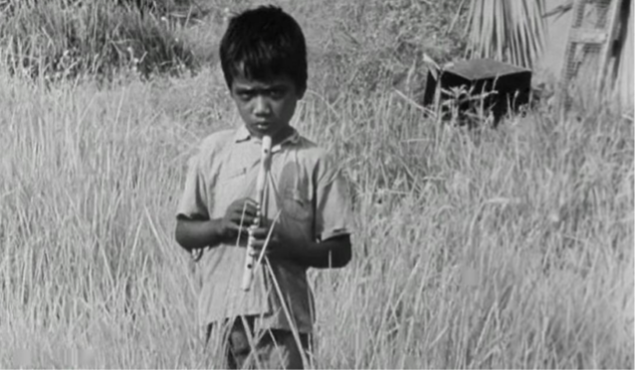
Figure 6: The street boy playing the flute. Frame enlargement from the film Two, directed by Satyajit Ray, 1964 (00:03:56).
Similarly, Bashu, The Little Stranger explores the experiences of a displaced boy as he tries to adapt to a new culture and language while also highlighting the struggles faced by the villagers in understanding and accepting this outsider. The film’s exploration of the themes of cultural identity and displacement starts and continues with the challenges faced by Bāshū as he grapples with his own identity and the loss of his homeland. Bayzāʼī raises questions about the impact of displacement on one’s sense of self and the search for a place to call home. The language barrier between Nā’ī and Bāshū can be seen in the film’s first half, in which Bāshū and Nā’ī do not understand each other’s language and yet, ambiguously, communicate through Bāshū’s feeling of loss and Nā’ī’s feelings of motherhood and compassion.
Nā’ī possesses a unique ability to connect with nature, effortlessly communicating with the non-human such as birds.6Bashu, The Little Stranger, dir. Bahrām Bayzā’ī (Iran, 1986), 00:21:17. However, Nā’ī finds it unexpectedly challenging to communicate with Bāshū, whose Khūzistāni dialect is initially incomprehensible. Through empathy and creative nonverbal strategies, she eventually becomes a bridge between southern and northern Iranian cultures. For example, she gestures and models eating with bread and rice to teach him proper eating manners in Gīlān, and exchanges objects like a buckle and an egg to establish shared understanding.7Bashu, The Little Stranger, dir. Bahrām Bayzā’ī (Iran, 1986), 00:15:42, 00:29:41. Nā’ī also comforts Bāshū during flashbacks of his war-stricken mother, providing emotional grounding that helps him integrate into her household.8Bashu, The Little Stranger, dir. Bahrām Bayzā’ī (Iran, 1986), 00:23:07. Her consistent care facilitates Bāshū’s gradual acceptance by her children too. These moments of patience, creativity, and human connection gradually break down ethnic and linguistic barriers, highlighting the film’s portrayal of cross-cultural empathy and inclusion.
Bāshū’s sense of displacement is reinforced through Bayzā’ī’s use of contrasting landscapes, from the war-torn south to the lush serenity of the Gīlakī village. However, these contrasts are not merely aesthetic; they expose how race, language, and geography intersect to mark Bāshū as an outsider. Situating the film within critical race theory emphasizes how racial difference is socially constructed, how it functions to uphold hierarchies of power, and how it is embedded in ordinary, everyday interactions.9Richard Delgado and Jean Stefancic, Critical Race Theory: An Introduction, 3rd ed. (New York: NYU Press, 2017), 7–10. Bayzā’ī dramatizes precisely this ordinary, systemic racism when the Gīlakī villagers ridicule Bāshū for his dark skin, calling him a siyāh-sūkhtah (“burnt black”) and treating his difference as a threat to communal purity. This hostility reflects what critical race theory scholars describe as “everyday racism,” the normalized practices through which dominant groups sustain exclusion without necessarily invoking formal institutions.10Richard Delgado and Jean Stefancic, Critical Race Theory: An Introduction, 3rd ed. (New York: NYU Press, 2017), 8–9. Bāshū’s racialization is intensified by his linguistic difference: his Khūzistāni dialect, incomprehensible to the Gīlakī speakers, positions him as doubly alien. Language here functions as what critical race theory terms a “racial signifier”—a marker of belonging that polices the boundary between insider and outsider.11Richard Delgado and Jean Stefancic, Critical Race Theory: An Introduction, 3rd ed. (New York: NYU Press, 2017), 25-26.
At the same time, Bayzā’ī complicates this exclusion by showing how race is not fixed but negotiated. Nā’ī, through acts of care and embodied recognition, challenges the villagers’ prejudice and models what critical race theory scholars call “counter-storytelling” ⸺disrupting dominant narratives by centering the perspective of the marginalized.12Richard Delgado and Jean Stefancic, Critical Race Theory: An Introduction, 3rd ed. (New York: NYU Press, 2017), 43. Bāshū’s survival, then, is not only a personal triumph but a critique of ethnolinguistic nationalism and racial hierarchy in Iran. By embedding these tensions within the domestic sphere of Nā’ī’s household, Bayzā’ī reveals how systemic racism is reproduced at the most intimate level, yet also how resistance can emerge from within. Upon Bāshū’s arrival in Gīlān, he comes face to face with Nā’ī and the new community, who are taken aback and struggle to comprehend Bāshū’s mere presence. In a community where the elders and the supposedly wise believe Nā’ī should not keep and support a stranger who is different, Nā’ī’s empathy triumphs and fosters acceptance, challenging the locals’ narrow sense of community. Several members of the community visit Nā’ī’s house, they attempt to dissuade her from sheltering Bāshū, for example, a woman states “My brother (Nā’ī’s husband) went to look for work, and you bring another mouth to feed?”.13Bashu, The Little Stranger, dir. Bahrām Bayzā’ī (Iran, 1986), 00:35:35. However, Nā’ī’s intervention symbolically represents a strong female agency, going beyond the typical motherly love for a boy. A particularly touching scene showcases Nā’ī’s attempt to communicate with Bāshū by exchanging everyday items, like eggs and a buckle, to find their equivalents in his language.14Bashu, The Little Stranger, dir. Bahrām Bayzā’ī (Iran, 1986), 00:29:41.
In their first encounter with Bāshū when visiting Nā’ī’s house, all the villager guests discourage Nā’ī for sheltering a stranger. They view him as an enigma, comparing him to a smoke blackened lamp, labeling him a thief, and associating him with bad fortune.15Bashu, The Little Stranger, dir. Bahrām Bayzā’ī (Iran, 1986), 00:32:17, 00:32:43. However, after a few minutes, Nā’ī defends Bāshū and asks them all to leave her house. The stark contrast between Nā’ī’s affection and empathy and the villagers’ lack thereof highlights the villagers’ inability to comprehend Bāshū’s skin color. In one scene, desperate to rid him of his darkness, Nā’ī attempts to scrub away his blackness using soap and water, hoping to transform him into a clean, white entity (Figure 7).16Bashu, The Little Stranger, dir. Bahrām Bayzā’ī (Iran, 1986), 00:52:00. For a critical discussion of race in Bāshū, see: Zavier Wingham, “Blackness on the Iranian Periphery: Ethnicity, Language, and Nation in Bashu, The Little Stranger,” Ajam Media Collective, September 23, 2015. https://ajammc.com/2015/09/23/blackness-on-the-iranian-periphery/ Nā’ī’s actions reveal her willingness to challenge the status quo and support Bāshū, even if it goes against the norms of her community. However, the fact that Nā’ī also attempts to change Bāshū’s physical appearance suggests that she, too, is not immune to the community’s institutionalized biases.
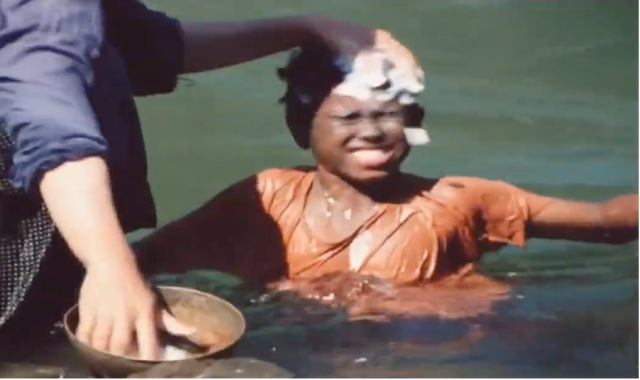
Figure 7: Nā’ī uses water and soap to wash away Bāshū’s skin color. Frame enlargement of a screenshot from the film Bashu, The Little Stranger (Bāshū, Gharībah-yi Kūchak), directed by Bahrām Bayzā’ī, 1986 (00:52:00).
Fertility and Zār Rites
In his later film Travelers (Musāfirān, 1991), Bayzāʼī demonstrates the significance of fertility and its associated rituals. Ac accordingly, during a conversation with Nūshābah Amīrī, He believes that “Travelers is a film about fertility, which may be what all my films are about: creation, fertility, and rebirth.”17Nūshābah Amīrī, Jidāl Bā Jahl [Fight Against Ignorance: A Conversation with Bahrām Bayzāʼī] (Tehran: Sālis Publication, 2013), 95. Translated by the author. This highlights his recurring exploration of fertility as a central theme. Rituals can be pivotal performances in human communities to encourage collective cohesion and to support life-affirming themes such as fertility and the reduction of anxiety and fear during uncertain times or crises by fostering a sense of connection and support. They can also provide a sense of control over the surroundings. Furthermore, rituals bring people together to celebrate important life milestones, strengthening bonds with friends, family and other members of the community. Specifically, they act as a social glue during times of displacement and adversity as they provide continuity, stability, and a sense of belonging.18For more discussion on rituals and their relationship to reducing anxiety and fear see: M. Lang, J. Krátký and D. Xygalatas, “The role of ritual behaviour in anxiety reduction: an investigation of Marathi religious practices in Mauritius,” Philosophical Transactions of the Royal Society Publishing 375, no. 1805 (June, 29, 2020), https://doi.org/10.1098/rstb.2019.0431 Meanwhile, rituals serve as a cultural expression and manifestation of the sacred and provide a means for humans to connect with the transcendent. Although Bāshū is unfamiliar with the Gīlakī dialect and culture, he can communicate through Shamanistic media such as Zār and fertility rites, in addition to Persian as the communal language of the diverse ethnicities in Iran.
Bāshū as Shaman/Minoritarian
According to the historian of religion Mircea Eliade, Shamanism principally developed in northern and central Asia and in North America, includes various categories of medicine men and wizards who flourish in other primitive societies.19Shamanism is a consciousness, spirituality, and healing discipline and practice that encompasses a range of beliefs and practices found in various cultures around the world. It involves individuals, known as shamans, who are believed to have the ability to communicate with spirits, including ancestors, nature spirits, and deities. They often enter altered states of consciousness through various techniques such as drumming, chanting, dancing, or the use of hallucinogenic substances to establish a connection with the spirit world. It is important to note that shamanism is a diverse and complex practice, and its specific beliefs and practices can vary greatly across different cultures and regions. According to anthropological studies, the emergence of a shamanic vocation is frequently precipitated by an accident or an extraordinary event. Among the Buriat, the Soyot, or the Eskimos, the path may begin after being “struck by lightning,” falling from a “high tree,” or by enduring a particularly arduous “ordeal.” As Mircea Eliade notes, the initiation of the shaman is rarely a gradual process of learning alone but often involves a dramatic rupture in the individual’s ordinary existence. Central to this rupture is the presence of a deep “crisis,” one so extreme that it can border on “madness.” However, it is precisely this experience of disintegration that provides the grounds for transformation. The youth cannot become a shaman until he has confronted and resolved the depth of this inner crisis, which ultimately functions as a form of “mystical initiation.”20Mircea Eliade, Shamanism: Archaic Techniques of Ecstasy, trans. Willard R. Trask (Princeton: Princeton University Press, 1964), 33–35; See also Mircea Eliade, Rites and Symbols of Initiation: The Mysteries of Birth and Rebirth, trans. Willard R. Trask (New York: Harper Colophon Books, 1975): 87-88.
While the Dihkhudā dictionary defines the word Bāshū as chalpāsah, the Persian equivalent to lizard,21See “Bāshū,” in Vajehyab, accessed September 15, 2025, https://vajehyab.com/dehkhoda/باشو. it is crucial to examine the significance of the name Bāshū within its unique geographical and cultural framework. For example, in Kirmāni dialect (Southeast of Iran) the word Bāshū always refers to grandfather. The Name Bāshū, drawn from the dialect of the southern Khūzistān, means “Be”-a plea to God by parents for their child’s preservation.22See “Bāshū,” in Gahvare, accessed September 15, 2025, https://gahvare.net/names/باشو. Therefore, Bayzāʼī’s naming has symbolic weight: as Bāshū flees the devastation of war and seeks refuge in northern Iran, his very survival embodies the imperative of “being” (staying alive) in the face of violence.
Arguably, Bāshū’s survival works as a passing process of initiation into a Shaman entity. He is supposed to “be” to transfer his healing and reconciling power to Nā’ī’s family who are missing the father. In this regard, Bāshū’s survival of war and dislocation can be read as such an initiation, a passage into a liminal state that equips him with a shamanic dimension. His role is not simply that of a child refugee but of a figure whose presence channels healing and reconciliation into Nā’ī’s fractured household, which has lost its paternal anchor. Bāshū’s shamanship becomes evident in his ritual acts: the crafting of the scarecrow, the playing of the flute to animate it, his evocation of Zār and fertility rites, and ultimately the climactic scene where, alongside Nā’ī and her children, he drives away the invading boar. In this sense, Bayzāʼī uses Bāshū’s shamanic role not only to dramatize resilience but also to critique ethnic exclusion, superstition, and patriarchal structures, suggesting that cultural renewal can emerge precisely from the margins of society.23Erika Friedl, Women of Deh Koh: Lives in an Iranian Village (Washington, DC: Smithsonian Institution Press, 1989), 142–47.

Figure 8: Frame enlargement of a screenshot from the film Bashu, The Little Stranger (Bāshū, Gharībah-yi Kūchak), directed by Bahrām Bayzā’ī, 1986 (01:45:26).
Shamanism, being one of the oldest systems of human healing and ritual practice, can be seen as a form of consciousness, spirituality, and healing discipline, as it encompasses all of these aspects.24Roger N. Walsh, The World of Shamanism: New Views of an Ancient Tradition (Llewellyn Publications, 2007), 16. According to Claude Lévi-Strauss, the French structuralist anthropologist, “The shamanistic complex” is built upon the experiences of the shaman, the effects on the sick individual, and the involvement of the community. These elements are interconnected and revolve around the shaman’s personal experiences and the consensus of the group. This creates a transformative reality that combines personal healing, collective support, and unknown possibilities. When treating a patient, the shaman also presents a performance to the audience. This performance typically involves the shaman reenacting the “call” or the initial crisis that led to their revelation of their condition.25Claude Lévi-Strauss, Structural Anthropology, trans. Claire Jacobson and Brooke Grundfest Schoepf (New York: Basic Books, 1963), 180. By doing so, the shaman, aided by their guiding spirits, embarks on a journey to the supernatural realm to retrieve the captured spirit and restore it to its rightful owner, thus achieving a cure.26Claude Lévi-Strauss, Structural Anthropology, trans. Claire Jacobson and Brooke Grundfest Schoepf (New York: Basic Books, 1963), 188.
Notably, Bāshū’s reality is haunted by dark surrealism of his vision of his war-stricken mother (Figure 9). These spectral apparitions, delicately woven into the realistic fabric of the film, contribute to nuances of magical realism in the film, further amplified by the rituals of fertility and the mystical Zār ceremonies. In addition, the vision of Bāshū’s mother can be seen as the equivalent of what Lévi-Strauss refers to as “tutelary spirits” that assist and guide the shaman in their endeavors. Therefore, the shamanistic cure and the psychotherapeutic cure can be seen as parallel concepts.27Claude Lévi-Strauss, Structural Anthropology, trans. Claire Jacobson and Brooke Grundfest Schoepf (New York: Basic Books, 1963), 201. The modern version of shamanistic technique, known as psychotherapy, derives its unique characteristics from the fact that mythical time no longer exists in industrial civilization, except within the individual themselves. Psychoanalysis can find validation and strengthen its theoretical foundations by comparing its methods and goals with those of its predecessors, the shamans and sorcerers.28Claude Lévi-Strauss, Structural Anthropology, trans. Claire Jacobson and Brooke Grundfest Schoepf (New York: Basic Books, 1963), 204.
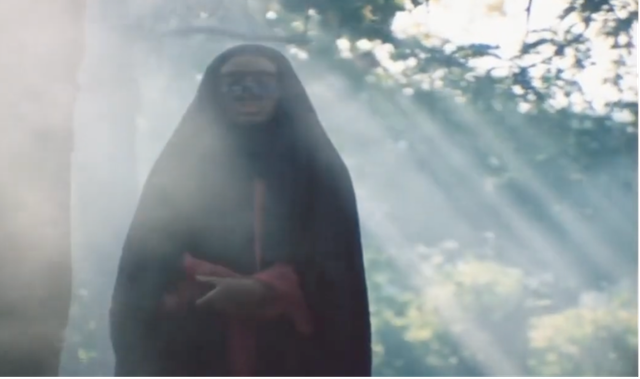
Figure 9: Frame enlargement of a screenshot from the film Bashu, The Little Stranger (Bāshū, Gharībah-yi Kūchak), directed by Bahrām Bayzā’ī, 1986 (00:57:43).
Bāshū embodies folk rituals, oral traditions, and healing practices tied to marginalized ethnic cultures—what Deleuze might call “minor” traits—that, despite his displacement, enable him to communicate with and adapt to his new environment. Bāshū’s transfiguration directly engages with rites of fertility and Zār, particularly when Nā’ī falls ill and requires healing.29Gilles Deleuze and Félix Guattari, Kafka: Toward a Minor Literature, trans. Dana Polan (Minneapolis: University of Minnesota Press, 1986), 16–18. As Nā’ī lies in bed, drenched in sweat, Bāshū starts performing Zār and his drumbeats guide Nā’ī’s body into a rhythmic movement. When Bāshū starts singing and dancing in Nā’ī’s farm, the same local children ask him about what he is doing. His response is quite illuminating: “plants grow better with this sound”30Bashu, The Little Stranger, dir. Bahrām Bayzā’ī (Iran, 1986), 01:23:29. (Figure 10), which he repeats in response to Nā’ī’s husband in his first meeting with Bāshū at the end of the film.31Bashu, The Little Stranger, dir. Bahrām Bayzā’ī (Iran, 1986), 01:48:11. Other kids are astonished to the extent that they approach him to join his fertility rituals (Figure 11).32Bashu, The Little Stranger, dir. Bahrām Bayzā’ī (Iran, 1986), 01:23:50. Similarly, Bāshū starts playing the flute for the scarecrow and for the plants as if breathing life into the inanimate scarecrow and the plants to stand guard over the farm.33Bashu, The Little Stranger, dir. Bahrām Bayzā’ī (Iran, 1986), 01:45:17. Bāshū can be seen as the Shaman who transfers the seasonal blessing to Nā’ī’s farm through fertility rites performed by him using ethnic music and body movements to ensure the continuation of the life-cycle.
The way Bāshū carries the harvest resembles the practices of shamans. His flute-playing, intended to accelerate the growth of greens, becomes a shamanistic language that allows him to challenge the dominant Gīlakī culture while bridging his own ethnic modes of communication with those of northern Iran. Bāshū is also a creator, making a scarecrow to protect Nā’ī’s harvest and singing, dancing, and playing drums on various occasions, whether to heal Nā’ī’s illness or to fertilize the crops.
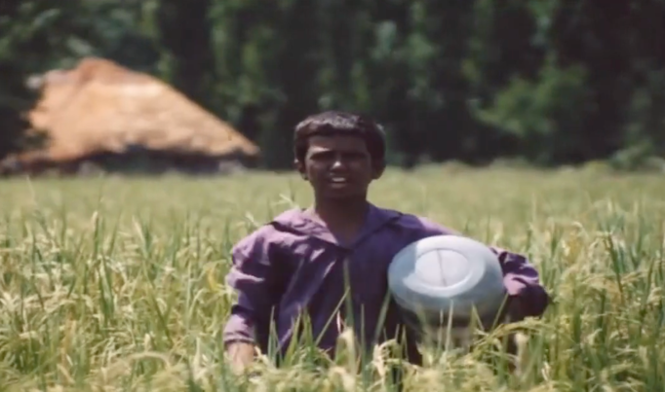
Figure 10: Bāshū playing the drum to help the plant grow better. Frame enlargement of a screenshot from the film Bashu, The Little Stranger (Bāshū, Gharībah-yi Kūchak), directed by Bahrām Bayzā’ī, 1986 (01:23:29).
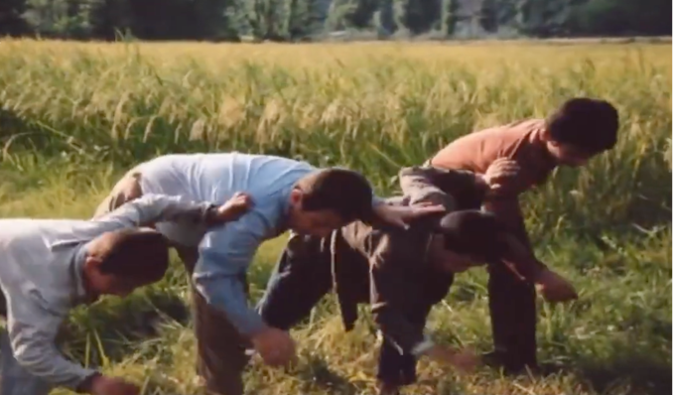
Figure 11: Other kids joining Bāshū in fertility rituals. Frame enlargement of a screenshot from the film Bashu, The Little Stranger (Bāshū, Gharībah-yi Kūchak), directed by Bahrām Bayzā’ī, 1986 (01:23:50).
The shaman goes beyond simply imitating or reenacting performances; instead, he fully experiences them with all their intensity, authenticity, and brutality. Similar to the concept of abreaction in psychoanalysis, the shaman relives the original situation that caused the disturbance before ultimately overcoming it. Therefore, the shaman can be seen as a professional abreactor—someone who facilitates the intense reliving and resolution of traumatic experiences during ritual or ceremonial sessions, where the shaman aims to communicate with the spirit world, seek guidance, heal illness, or mediate between humans and spirits (which is called séance).34Claude Lévi-Strauss, Structural Anthropology, trans. Claire Jacobson and Brooke Grundfest Schoepf (New York: Basic Books, 1963), 181. The healing process of Zār holds great significance and connection to shamanic and religious practices.35In another article on Mānī Haqīqī’s film A Dragon Arrives (2016), I explored and discussed Zār as a healing rite. See M. Behnam, “A Dragon Arrives! (2016).” In Cinema Iranica. Encyclopaedia Iranica Foundation https://cinema.iranicaonline.org/article/a-dragon-arrives-azhdaha-varid-mishavad/. Bāshū can be perceived as a vibrant embodiment of the energy of life and its vitality as his name connotates “Be.” Despite his bold strangeness to the local culture, Bāshū embodies a form of imaginative connection with Nā’ī and her farm.
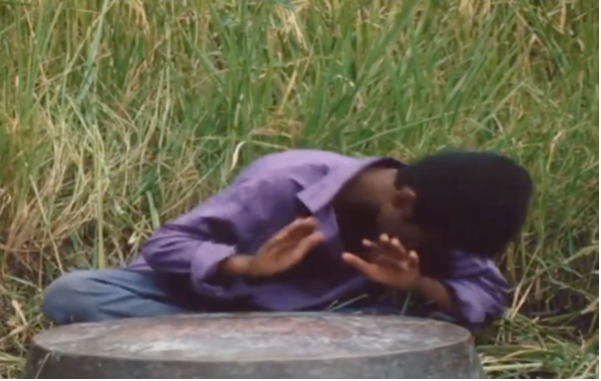
Figure 12: Bāshū playing the Zār drum to heal Nā’ī, who is suffering from fever. Frame enlargement of a screenshot from the film Bashu, The Little Stranger (Bāshū, Gharībah-yi Kūchak), directed by Bahrām Bayzā’ī, 1986 (01:39:48).
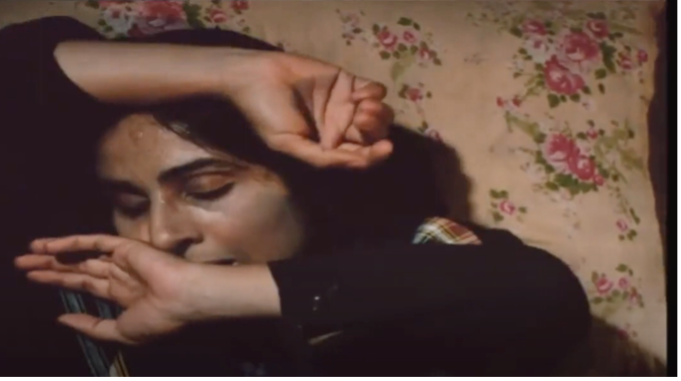
Figure 13: Nā’ī struggling with illness and fever. Frame enlargement of a screenshot from the film Bashu, The Little Stranger (Bāshū, Gharībah-yi Kūchak), directed by Bahrām Bayzā’ī, 1986 (01:38:02).
Notably, Bayzāʼī is an artist of the Bahá’í faith36The Bahá’í Faith is a monotheistic religion that originated in the 19th century in Persia (modern-day Iran). It was founded by Bahá’u’lláh (1817–1892), a prophet and spiritual leader, who is considered by Bahá’ís to be the latest in a line of messengers from God that includes figures like Abraham, Moses, Buddha, Jesus, and Muhammad. For more discussion, see: Moojan Momen, The Bahá’í Faith: A Beginner’s Guide (Oneworld Publications, 2008). and “a fiercely secular and oppositional director used to working in a type of unofficial internal exile, about which he regularly complained but which actually powered his movies.”37Hamid Naficy, A Social History of Iranian Cinema. Vol. 4, The Globalizing Era, 1984-2010 (Durham, N.C.: Duke University Press, 2012), 38. Bayzāʼī can be considered a minor filmmaker who, unfortunately, faced the wrath of both the Pahlavī and Islamic Regimes, rendering his influence in the art and industry of filmmaking in Iran. However, his collection of creative works truly encapsulates his singular perspective as a member of a minority group. As a secular artist of the Bahá’í faith, Bayzāʼī’s films and his unwavering defiance against oppressive authorities have transformed his cinema and body of work into a testament of authorship, courage and resilience. In Bāshū, Bayzāʼī uses two distinct dialects—Khūzistāni and Gīlakī—within the Persian-language film to create a nuanced, sometimes disrupted, form of communication. This linguistic strategy contributes to the film’s positioning as minor cinema, as it establishes a symbolic and allegorical language that diverges from the dominant Persian tradition. By juxtaposing these dialects, Bayzāʼī complicates conventional modes of communication, a tension that is collectively enacted when other boys gather around Bāshū as he reads from a Persian schoolbook (Figures 15 & 16).
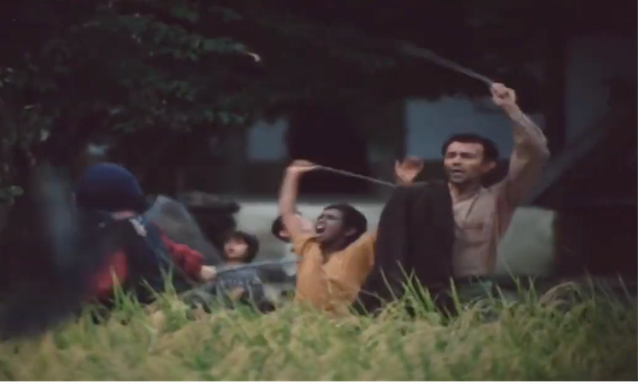
Figure 14: Frame enlargement of a screenshot from the film Bashu, The Little Stranger (Bāshū, Gharībah-yi Kūchak), directed by Bahrām Bayzā’ī, 1986 (01:54:03).
Bāshū explores and displays the delicate threads that bind a diverse nation together, explicitly emphasizing the significance of Persian as the official language. At some point Bāshū, being unfamiliar with the local dialect, can only interact with the village children through the formal school book of Persian Literature. In a scene where he attempts to read aloud from a school textbook taken from the ground, he reads from the pages proclaiming, “Iran is our homeland. We are nurtured by the same water and land. We are the children of Iran” (Figure 15).38Bashu, The Little Stranger, dir. Bahrām Bayzā’ī (Iran, 1986), 00:58:32. Suddenly in this heart melting scene, all other boys who used to humiliate Bāshū due to his skin color and lack of linguistic communication, gather around him attentively paying attention to what he says while being curious about his past and how he has learned Persian. As Hamid Naficy explains “His [Bāshū’s] knowledge of the formal Persian suddenly dissolves all the hostility.”39Hamid Naficy, A Social History of Iranian Cinema. Vol. 4, The Globalizing Era, 1984-2010 (Durham, N.C.: Duke University Press, 2012), 37. In addition to Persian language as the unifying element between Nā’ī and Bāshū, the epistolary relationship between them, although indirect, is another element that proposes reconciliation.40Hamid Naficy, A Social History of Iranian Cinema. Vol. 4, The Globalizing Era, 1984-2010 (Durham, N.C.: Duke University Press, 2012), 37. Similarly, when Nā’ī’s husband is absent, her sole means of communication with him is limited to Persian, despite her illiteracy. While Persian serves as a means of communication, it does not guarantee comprehension or complete inclusion for all ethnicities involved; However, it is displayed as a foundation for national unity yet simultaneously highlighting individual differences.
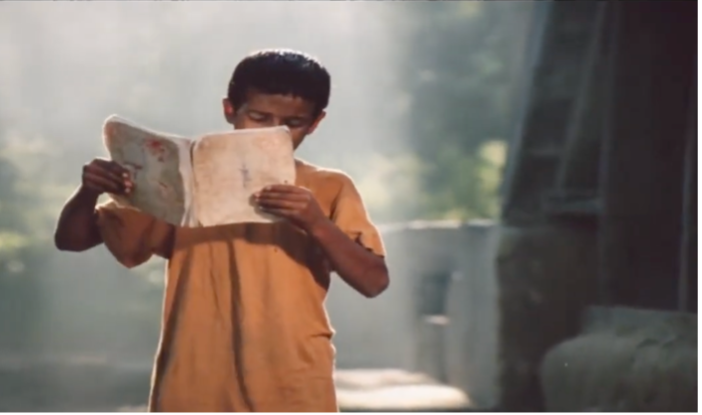
Figure 15: Bāshū finds a Persian educational book and reads a touching passage, which makes the other children sympathize with him. Frame enlargement of a screenshot from the film Bashu, The Little Stranger (Bāshū, Gharībah-yi Kūchak), directed by Bahrām Bayzā’ī, 1986 (00:58:38).
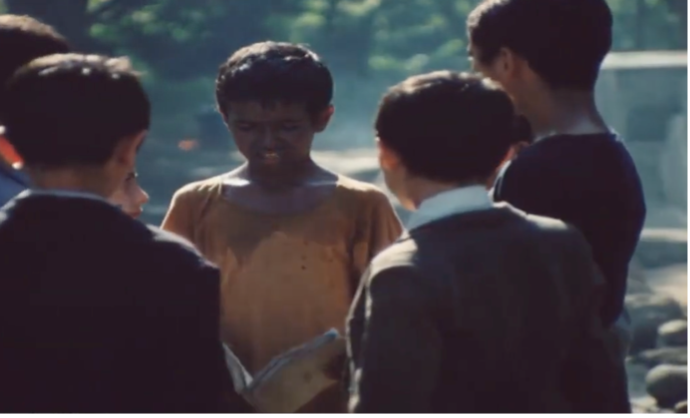
Figure 16: The other children unexpectedly gather around Bāshū to hear his story. Frame enlargement of a screenshot from the film Bashu, The Little Stranger (Bāshū, Gharībah-yi Kūchak), directed by Bahrām Bayzā’ī, 1986 (00:58:52).
The title Bashu, The Little Stranger foregrounds the protagonist’s dual condition of estrangement and marginality: the term “stranger” signals his unfamiliarity and displacement, while the qualifier “little” underscores both his vulnerability as a child and his minority status. Bāshū’s position, however, extends beyond mere otherness; he exemplifies what Deleuze and Guattari theorize as the “minor,” a mode of existence marked not by numerical scarcity but by transformative potential. As Verena Conley observes in The Deleuze Dictionary, “a minority is not defined by the paucity of its numbers but by its capacity to become or, in its subjective geography, to draw for itself lines of fluctuation that open up a gap and separate it from the axiom constituting a redundant majority.”41Verena Conley, “Minoritarian,” in The Deleuze Dictionary, ed. Adrian Parr (Edinburgh University Press, 2010), 167. In this sense, Bāshū embodies in-betweenness and interculturality, articulating a new language of empathy, love, and connection that develops between himself and Nā’ī. His shamanistic performances—building a scarecrow, animating it with music, and channeling healing rituals—constitute practices of minor expression that resist assimilation to dominant cultural codes. For Deleuze and Guattari, minor literature (and, by extension, minor cinema) arises from marginalized or exilic positions and destabilizes hegemonic narratives by employing subversive forms of language and representation.42Gilles Deleuze and Félix Guattari, Kafka: Toward a Minor Literature, trans. Dana Polan (Minneapolis: University of Minnesota Press, 1986), 18. Bāshū’s presence within Nā’ī’s household, therefore, stages a minoritarian encounter, a reconfiguration of kinship and community that challenges both ethnic exclusion and patriarchal authority through acts of care and ritualized solidarity.
The notion of the minor is crucial for understanding the cultural and political stakes of Bahrām Bayzāʾī’s film, however yet its meaning must be situated carefully. Minor does not signify smallness of audience or peripheral importance, but rather a structural position vis-à-vis the dominant, a position that unsettles linguistic, cultural, and political hierarchies. Deleuze and Guattari’s theorization of “minor literature” provides a productive entry point. For them, minor literature is marked by three interlocking features⸺the deterritorialization of language, the imbrication of the individual with political immediacy, and the emergence of a collective assemblage of enunciation. This model helps illuminate how Bāshū mobilizes minoritarian expression, while also pointing to the limits of literary theory when translated into filmic practice.
In Bayzāʾī’s film, Bāshū’s Khūzistāni Arabic and Persian dialect are deterritorialized within the Gīlakī-speaking north, producing a radical linguistic estrangement. This estrangement pushes him to rely on ritual, gesture, and affect—forms of communication that exceed spoken language. At the same time, his displacement from the war-torn south to the rural north embodies the second element of the minor: his individual predicament is inseparable from the political trauma of the Iran-Iraq war. His very presence in Nā’ī’s household becomes a living index of the nation’s fractures. Finally, Bāshū’s gradual recognition by Nā’ī and the Gīlakī children enacts the collective dimension of the minor. When the children gather around him as he reads from a Persian text, the scene stages not assimilation into the major language, but rather the possibility of a collective enunciation forged through difference and negotiation.
Bayzāʾī underscores this minoritarian condition through his cinematic form. By deliberately withholding subtitles when Bāshū speaks Khūzistāni Arabic,43Bashu, The Little Stranger, dir. Bahrām Bayzā’ī (Iran, 1986), 00:23:22. he positions the audience in the same situation as the villagers ⸺confronted with incomprehensibility and forced to acknowledge the exclusions created by linguistic dominance. This refusal prevents Bāshū’s language from being fully domesticated into the dominant Persian and instead makes the viewer inhabit the discomfort of the minor. In this sense, Bayzāʾī’s film is not only about a minor subject; it is itself a minor practice of cinema—one that destabilizes the authority of the dominant language and foregrounds marginalized expression as a site of aesthetic and political power. When considered alongside other postcolonial works such as Ousmane Sembène’s Black Girl (1966), Bāshū demonstrates how the “minor” exceeds literary categories and can be rethought as a transmedial strategy of cultural resistance. Both films show that minor expression does not merely depict the marginalized, but also restructures how audiences experience language, silence, and power. Another example of minor agencies in cinema can be found in films like Barry Jenkins’s Moonlight (2016), which challenges dominant narratives by giving a voice to a marginalized character ⸺a gay black individual navigating the complexities of race, sexuality, and class, the struggles faced by individuals at the intersection of these identities.
Despite all linguistic and ethnic differences between Nā’ī and Bāshū, they both manage to build a mutual bond through their individual abilities and ethnic characteristics. For example, the healing process is mutual as Nā’ī has already helped Bāshū heal when he suffered from fever by giving him medicinal syrup.44Bashu, The Little Stranger, dir. Bahrām Bayzā’ī (Iran, 1986), 00:40:45. Similarly, towards the end of the film where Bāshū feels more at home with Nā’ī, he helps him with farming tasks and even with feeding her two children when Nā’ī is ill. At some point, Bāshū extends the influence of Nā’ī as a mother figure by imitating her and communicating with birds.45Bashu, The Little Stranger, dir. Bahrām Bayzā’ī (Iran, 1986), 01:28:55.
Anti-Oedipal?
Bayzāʼī’s depiction of the dynamic between Bāshū, Nā’ī and her husband Hūshang complicates our understanding of their relationship. Although the film does not directly explore the Oedipal aspects, it offers a genuine portrayal of the bond between a woman and a young boy in the context of a war-torn society by portraying the nurturing relationship between the two characters as Nā’ī becomes a maternal figure to Bāshū, providing him with love, care, and protection.
To understand the husband’s relationship to Bāshū, it is essential to theorize how the film uses symbolic absence—specifically, (Nā’ī’s husband) Hūshang’s missing arm—to structure power, masculinity, and the dynamics of presence and substitution. Although Hūshang only appears on screen near the film’s conclusion (approximately the last 10 minutes, following Bāshū’s symbolic integration into the household through farming and ritual labor),46Bashu, The Little Stranger, dir. Bahrām Bayzā’ī (Iran, 1986), 01:47:32 onward. his missing arm is foreshadowed not by explicit depiction but by discursive absence and by the household’s balance of care and responsibility. Bāshū comes to function as the family’s missing father before the husband’s onscreen return. Therefore, Bāshū’s role is symbolically anticipated in how he performs labor, nurturance, and relational presence in Nā’ī’s household prior to the husband’s appearance. When Hūshang does appear, the symbolic function of the missing arm becomes explicit. The dialogue—his asking Bāshū for water, Bāshū’s astonished gaze, and his remark, “You appear to be a stranger”47Bashu, The Little Stranger, dir. Bahrām Bayzā’ī (Iran, 1986), 01:47:50.—illustrates not just Bāshū’s otherness but also how Bāshū has already become a mirrored absence through which the missing masculine power is made visible. The mise-en-scène includes the scarecrow in the background (Figure 17),48Bashu, The Little Stranger, dir. Bahrām Bayzā’ī (Iran, 1986), 01:47:32. which visually parallels Hūshang’s disfigurement: a hollow, “puppet”-like figure, evoking impotence and a hollow authority. Furthermore, when Hūshang remarks, “You have a Lolo (scarecrow) too,” Bāshū’s response catches him off guard as he confidently declares, “I made it … Is there something wrong with that?” Hūshang’s reply, “its hands,” symbolically addresses his missing arm,49Bashu, The Little Stranger, dir. Bahrām Bayzā’ī (Iran, 1986), 01:48:20. which Bāshū notices a few minutes later when he offers him a hand-shake (Figure 18). Therefore, while the film does not show Hūshang’s missing arm until his reappearance, it does prepare the audience (through narrative, symbolism, and relational labor) to see Bāshū as filling—before the husband’s actual presence—the void created by that absence. When the husband finally appears, the void is enacted, confronted, and partially resolved in their encounter.
Meanwhile, Hūshang’s reappearance functions less as the restoration of patriarchal order than as a narrative of the new, fragile community that Nā’ī and Bāshū have constructed. His arrival momentarily destabilizes the household ⸺the dominant expectation is that the patriarch will disapprove of the outsider child, reinforcing the very communal hostility voiced earlier in the film. Instead, his acceptance of Bāshū, understated and non-verbal, closes the film by ratifying the minor, shamanistic family structure that has emerged in his absence. Therefore, Hūshang’s return does not overwrite Bāshū’s displacement but rather reframes it within the broader narrative of war, migration, and cultural negotiation. In this sense, his arrival — deferred until the narrative resolution — underscores the centrality of Bāshū and Nā’ī’s relationship: the war-torn child and the rural mother create a new social unit before the patriarch re-enters the scene.
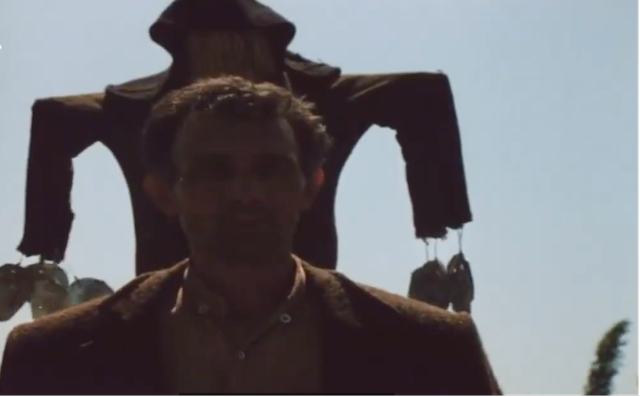
Figure 17: Bāshū’s first encounter with Nā’ī’s husband, which parallels him to the scarecrow. Frame enlargement of a screenshot from the film Bashu, The Little Stranger (Bāshū, Gharībah-yi Kūchak), directed by Bahrām Bayzā’ī, 1986 (01:47:32).
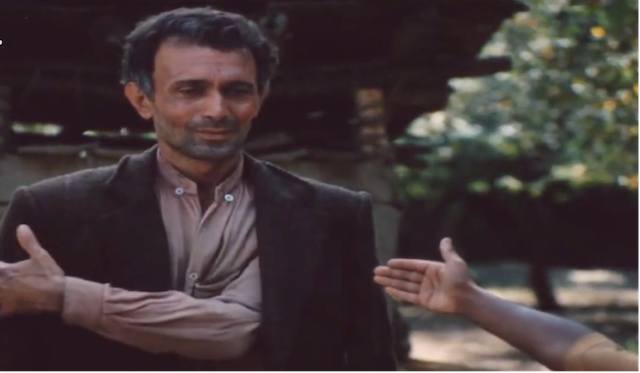
Figure 18: Bāshū suddenly notices that Nā’ī’s husband has lost his arm after offering him a hand-shake. Frame enlargement of a screenshot from the film Bashu, The Little Stranger (Bāshū, Gharībah-yi Kūchak), directed by Bahrām Bayzā’ī, 1986 (01:52:29).
Conclusion
In his deeply moving narrative, Bayzāʼī skillfully captures the genuine human connection between a woman and a young boy amidst the backdrop of Iran ravaged by war in the 1980s. Bashu, The Little Stranger delicately explores themes of displacement, identity, and the power of human connection, while also addressing the universal yearning for belonging across cultural boundaries with specific ethnic diversity in Iran. The story revolves around Bāshū, a figure who embodies both a marginalized and shamanic presence. Through his introduction of healing rituals and fertility practices, such as Zār and fertility rites, Bāshū adds a sense of healing and vitality into Nā’ī’s world which was already filled with her life-affirming manner. As they embark on a transformative journey together, love and empathy gradually bridge the gap between these two characters, enriching their lives. Bayzāʼī, a master of traditional performing arts and rituals, skillfully incorporates the enchanting customs of Iran’s southern region, examining their minoritarian significance within the context of northern Iran. The interethnic experience of Bāshū is seen and felt in the ethnically colorful background of Iran, creating a visually captivating and emotionally resonant film.
Bashu, The Little Stranger was released with a delay of three years due to Bayzai’s refusal to make some eighty-five changes demanded by the official censors, including the removal of the remarkable close-up shot of Taslīmī at the beginning of the film.50Hamid Naficy, A Social History of Iranian Cinema. Vol. 4, The Globalizing Era, 1984-2010 (Durham, N.C.: Duke University Press, 2012), 141. It is evident that Bayzāʼī’s personal struggles with censorship, as informed by the oppressive power structure that has attempted to undermine his creative works across decades of creative practice, can be interpreted as social and political in nature. However, Bayzāʼī’s peculiar style and resilience subverted these could-be-disappointing restrictions and hostility.
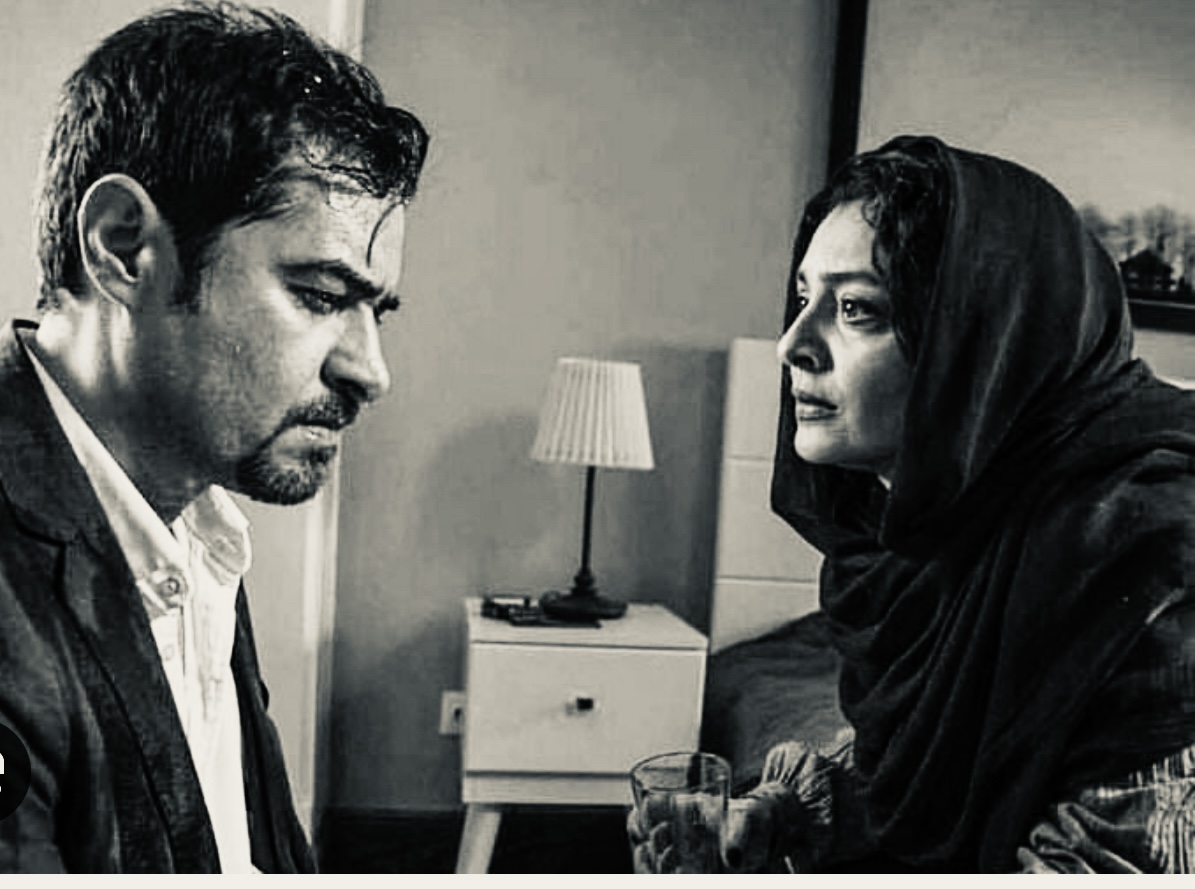
Abstract
In Iranian cinema, the portrayal of social class is influenced by ideology, as economic interests and cultural values are hidden behind class distinctions. Consequently, the way social classes are portrayed depends on the distribution of wealth in Iranian society and the characteristics of popular culture. The present study employs Antonio Gramsci’s theory of ideology and narrative analysis to demonstrate how ideology influences the representation of social class in twenty-first-century Iranian cinema. The analysis of selected films will demonstrate the existence of at least three distinct ideological orientations in Iranian cinema. Firstly, an anti-bourgeois ideology that opposes the lifestyle of the upper classes. Secondly, a sympathetic ideology that commiserates with the lower classes. Finally, an ideology of interaction-confrontation that pits two classes against each other and supports the values of one class over another. All of these clearly demonstrate that the relationship between ideology and class is both significant and influential in Iranian cinema.
Introduction
The financial crisis in Iran reached its most severe point in the early twenty-first century. The lack of growth in the industry and agriculture sectors, inflation, unemployment, international sanctions, oil rents, and administrative corruption had a deleterious effect on the lives of the general public. This phenomenon served to accentuate the distinction between social classes. In contrast to their predecessors, the younger generation of wealthy Iranians did not hesitate to display their affluence. The possession of foreign automobiles, branded apparel, iPhones, costly watches, and gold jewelry is indicative of a demonstration of social class.1‛Abbās Kāzimī, Amr-i ruzmarrah dar jāmi‛ah-yi pasā-inqilābī (Tehran: Farhang-i Jāvīd, 2016), 209. As studies have shown, even those in the lower socioeconomic classes have not been satisfied with the government subsidies. This is evidenced by the fact that they are not content with the cash subsidies, livelihood packages, and justice shares to which they are entitled. The imposition of economic sanctions and the reliance on a rent-based economy have eroded the purchasing power of the middle class, resulting in a larger disparity between the rich and the poor. This situation is at odds with the values espoused by the Islamic Revolution. In the aftermath of the revolution, the concept of class was regarded as a taboo subject. Islamic fundamentalists sought to construct a society predicated on piety, and the classification of individuals based on wealth was deemed to be a hallmark of the modernity they vehemently opposed. This aversion was further exacerbated by Islamist Marxists in the initial decade following the revolution.
Figure 2: Mahnāz Afshār in a still from the film Honey Venom (Zahr-i ‛asal), directed by Ibrāhīm Shaybānī, 2002.
In the cinema of the 1980s, the upper class represented the aristocracy associated with the Pahlavi government and was consequently condemned. Conversely, the lower class was depicted as espousing Islamic values and revolutionary ideals. In the 1990s, the upper class came to be regarded as a symbol of modernity, while the lower class was increasingly associated with social problems such as addiction, theft, and a range of other forms of deviance. Additionally, the emergence of a new middle class was depicted in cinematic narratives, and their espoused values, including individualism and moral rectitude, were subjected to criticism.2Ahmad Tālibīnizhād, Dar huzūr-i sīnimā: Tārīkh-i tahlīlī-i sīnimā-yi pas az inqilāb (Tehran: Fārābī Cinema Foundation Publications, 1998), 127; Hamid Naficy, A Social History of Iranian Cinema, Volume 4: The Globalizing Era, 1984–2010 (Durham: Duke University Press, 2012). 52; Sareh Amiri & Ehsan Aqababaee, “Tahlīl-i rivāyat-i barsākht-i tabaqah-yi furūdast dar sinimā-yi pas az inqilāb-i islāmī.” Mutāla‛āt-i farhangī va irtibātāt 15, no. 55 (2019): 107-129; Ehsan Aqababaee & Mohammad Razaghi, “Islamic fundamentalism and gender: The portrayal of women in Iranian movies.” Critical research on religion 10, no. 3 (2022): 249-266; Ehsan Aqababaee & Katja Rieck, “The Representation of Social Classes in Iranian Cinema During the Reformist Era, 2001–2005.” Contemporary Review of the Middle East 10, no. 2 (2023): 106-125. From 2000 onwards, a considerable number of movies were produced in the Iranian film industry that explicitly address issues of class. This article, grounded in the theory of Antonio Gramsci, will examine the ideologies disseminated in modern Iranian cinema and elucidate their social and cultural origins.
Figure 3: A still from the film Superstar, directed by Tahmīnah Mīlānī, 2009.
Antonio Gramsci’s theory of ideology, which is pivotal to his concept of cultural hegemony, posits that dominant groups maintain power not solely through coercion but also by shaping societal norms, values, and beliefs in a manner that renders their dominance as natural and legitimate. Gramsci contends that the ruling class employs institutions such as education, media, and religion to disseminate its worldview, thereby ensuring the consent of subordinate classes.3Antonio Gramsci, “Selections from the prison notebooks.” In The Applied Theatre Reader, ed. Nicola Abraham & Tim Prentki (Routledge, 2020), 141-142. Gramsci’s concept of ideological control, or hegemony, is sustained through a combination of coercion and consent, with the latter being more pervasive and effective in maintaining long-term power. Gramsci emphasises the role of intellectuals in this process, as they help articulate and disseminate the dominant ideology. His insights highlight the importance of counter-hegemonic struggles, where marginalised groups challenge and reshape the prevailing ideology to achieve social change. An ideology that has achieved widespread acceptance by society can be regarded as a strategic endeavor on the part of a given social group to advance its interests through hegemonic means. According to Gramsci’s theory, cinema is a medium through which the ideological interests of social classes are expressed, and filmmakers and production agents play the role of organic intellectuals.
This article uses narrative analysis, which is defined as the examination of narrative genres and the systematic study of narrative and plot structure to look at film on two levels: story and discourse.4Luc Herman & Bart Vervaeck. Handbook of Narrative Analysis (University of Nebraska Press, 2019), 19. At the story level, the article examines the representation of place, actions, and characters, and at the discourse level, the film’s orientation towards these two will be described.5Seymour Chatman. Story and Discourse: Narrative Structure in Fiction and Film (Cornell University Press, 1980), 26. Discourse serves as the driving force that directs the narrative, operating under the influence of ideology.6Mike Cormack, Ideology (MI: University of Michigan Press, 1992), 30-33.
Figure 4: A still from the film Mr. Seven Colors (Āqā-yi Haft Rang), directed by Shahrām Shāh Husaynī, 2009.
Characterization is a term used to describe the process by which a researcher constructs a character’s personality by assembling various attributes present throughout the film. According to Rimmon-Kenan, characterization can be classified into three distinct forms: direct, indirect, and allegorical.7Shlomith Rimmon-Kenan, Narrative Fiction: Contemporary Poetics (Routledge, 2003), 61. Direct characterization involves the explicit narration of an individual character’s personality traits by the narrator. In contrast, indirect characterization is derived from the actions, social status, identity, and psyche of the characters, thereby revealing their personality. This article employs indirect characterization through the lens of purpose and action. Action, as defined by Berger, is the actions of the characters.8Arthur Asa Berger, Narratives in Popular Culture, Media, and Everyday Life (Sage Publications, 1996), 52. Place pertains to the determination of location, that is, the specific setting or environment within which the events of the narrative text unfold.
This study focuses on a sample size of forty-six Iranian films, all produced between 2000 and 2023. The selection of these films was purposeful, with a specific criterion guiding the inclusion process. Specifically, the films included in this analysis explicitly address issues of class representation. This selection ensures that the study captures a comprehensive range of perspectives on class dynamics within the context of Iranian cinema during the specified period. By concentrating on films that directly engage with this issue, the study aims to provide a detailed examination of the evolving narratives and portrayals of class within Iranian society over the past two decades.
Anti-bourgeois ideology
From the year 2000 onwards, despite the Iranian fundamentalists’ perception of globalization as an imperialist project, the expansion of the internet and satellite broadcasting had a profound impact on Iranian society, rendering it more susceptible to the forces of globalization. Over time, a number of chain restaurants were established in Tehran, with similar establishments subsequently opening in other cities. Chain stores such as Icepack were well-received in Iranian cities. The government’s increased oil revenue facilitated the introduction of commercial goods such as LED TVs. These developments gave rise to the emergence of a consumer society in Iran. Consequently, the display of wealth increased in urban areas, contributing to the growing opposition to class differences among the population. Moreover, in Iranian popular culture, there was a growing conviction that those of considerable wealth have amassed their fortunes illicitly, and that consuming prohibited substances will result in illness and misfortune for the affluent. The consequence of this process was an increase in the number of movies that espoused anti-bourgeois ideology.
Anti-bourgeois ideology is an attack on the values and interests of the upper classes, including the bourgeoisie, the nobility, and the nouveau riche. The ideology initially presents an opulent portrayal of the status of the upper classes, but then proceeds to delve beneath the surface of their lives, exposing the clandestine corruption that lies at their core. The ideology portrays the class as morally corrupt, exhibiting behaviors such as marital infidelity, promiscuity, rape, alcoholism, and authoritarianism. The family relationships of people belonging to this class are often accompanied by tension, insult, and humiliation. Economic corruption, such as embezzlement and bank debt, is also common. This ideology identifies this class of people as responsible for the crises in Iranian society. Examples include: Astral (2000); The Smell of Roses (Bū-yi gul-i surkh, 2001); Tapster (Sāqī, 2001); Ghazal (2001); A House Built on Water (Khānah-ī rū-yi āb, 2001); Honey Venom (Zahr-i ‛asal, 2002); The Winning Card (Barg-i barandah, 2003); Parkway (2007); Satan’s Impersonator (Muqallid-i shaytān, 2007); Rock, Paper, Scissors (Sang, Kāghaz, Qaychī, 2007); Canaan (Kan‛ān, 2008); Kalāgh Par (2008); Mr. Seven Colors (Āqā-yi Haft Rang, 2009); Doubt (Tardīd, 2009); Superstar (2009); 24th Street (Khiyābān-i bīst u chahārum, 2009); Hello to love (Salām bar ‛ishq, 2010); Crazy Rook (Rukh-i dīvānah, 2015); and Labyrinth (Hazār-tū, 2019).
In Labyrinth (2019), Amīr-‛Alī, the main character, is a member of the upper class. He is a young businessman with a notable goatee. He wears branded clothes, lives in a luxury apartment, and drives a BMW x3 class. Amīr-‛Alī has no control over his emotions and gets angry quickly and acts violently. He consumes alcohol and, while driving intoxicated, he causes the death of his friend Esfandiar, who was seated next to him in the vehicle. The incident prompts him to experience feelings of guilt, which ultimately result in his decision to marry his deceased friend’s wife, Nigār, and assume the role of a stepfather. The relationship between Amīr-‛Alī and Nigār is characterized by a lack of romantic affection and even a lack of a marital relationship. Amīr-‛Alī engages in a secret relationship with Bītā, his wife’s close friend, betraying Nigār.
Figure 5: Amīr-‛Alī and Nigār in Labyrinth (Hazār-tū), directed by Amīr-Husayn Turābī, 2019.
At the time of her first husband’s death, Nigār was pregnant. She disregarded her mother’s counsel to terminate the pregnancy, making motherhood a defining aspect of her character’s identity. She maintains a strained relationship with her new husband, deeming him an inadequate father due to his lack of paternity. This woman’s essentialist personality is evident in her perception of the father-child bond. According to her perspective, the biological father is the de facto father.
Bītā is a young, middle-class woman who engages in the design and production of clothing in her home. In the past, she was in love with Amīr-‛Alī, but she was unable to express her affections to him. Following the marriage of her favored man, she has worked to establish a relationship with him. Bītā becomes pregnant as the result of her clandestine relationship with Amīr-‛Alī; however, she undergoes an abortion in order to ensure the continued secrecy of their relationship. Upon learning that Amīr-‛Alī intends to immigrate from Iran to the United States with Nigār, she devises a scheme to steal Amīr-‛Alī’s son, thereby seeking to avenge Amīr-‛Alī’s perceived unkindness.
The movie’s portrayal of the upper-class couples suggests a lack of warmth and intimacy in their relationships. These individuals are depicted as violent, corrupt, and treacherous. The primary focus of the movie is the disappearance of Amīr-‛Alī and Nigār’s children and the subsequent arrival of the police to investigate the case. This central conflict is ideologically significant in that it presents an obstacle for this couple to migrate abroad. In the aftermath of the incident, the film depicts scenes in which Amīr-‛Alī and his wife hold each other accountable, leading to verbal altercations between the couple. This conflict affects the development of other relationships within the upper-class community. The movie’s title, Labyrinth, is an ideological choice that reflects the tragic complications experienced by the upper class. The resolution of this complex narrative occurs in the final sequence, where the stolen infant is left in a shed and the perpetrator of the crime is also discovered to be deceased. As a result, the shed in question will not be located by the police. The process of untying several knots and retying them reveals the anti-bourgeois ideology. Amīr-‛Alī’s brother-in-law clandestinely exploits this circumstance and extorts a sum of currency from Amīr-‛Alī. Upon the revelation of Amīr-‛Alī’s betrayal, his wife states her intention to divorce him, citing the discovery of a child as the precipitating factor.

Figure 6: Amīr-‛Alī and Bītā in Labyrinth (Hazār-tū), directed by Amīr-Husayn Turābī, 2019.
Overall, the movie can be described as a following an anti-bourgeois ideology, which attempts to portray the upper classes as violent, corrupt, and treacherous. This antagonism is a consequence of the class divide that exists in contemporary Iranian society. The movie’s portrayal of the economic situation in Iran is informed by the windfalls, the use of oil rents, and the unbridled inflation caused by US sanctions. These factors have contributed to a growing dissatisfaction with the status quo, which is reflected in the anti-bourgeois ideology that emerges in the movie.
Sympathetic Ideology
Since 2010, the effects of international sanctions against Iran’s nuclear program have intensified. The government’s ability to control the currency has decreased, and despite the liquidity, inflation has increased. This has led to a change in the economic status of various classes, with some families falling from the middle class to the lower class. While cinema audiences in Iran are typically from the middle class of society, movies depiciting the pooer condition of the lower classes have become popular. Moreover, among Iranians, the value of assisting the impoverished is widely recognized. Throughout history, Iranians have consistently regarded assisting the poor and orphaned as a religious and humanitarian obligation. Consequently, movies have been produced that espouse an ideology of empathy for the disadvantaged.
The term “sympathetic ideology” is employed here to describe a movie’s capacity to demonstrate identification with the plight of the impoverished. The intention of the ideology is to evoke empathy in the audience by illustrating the suffering and pain endured by the poor. Accordingly, the lower classes in many Iranian films from the last decades reside in old houses situated on the outskirts of the city. They wear outdated, ill-fitting, and unclean garments, and struggle to maintain their livelihoods. The inability to pay for necessary medical care, housing, and other basic necessities has placed them in a challenging position. The sympathetic ideology necessitates that the audience perceive the lives of these individuals in order to be motivated to provide them with assistance. Some examples include The Wall (Dīvār, 2008); Twenty (Bīst, 2009); Nothing (Hīch, 2010); The Broke (Nadārhā, 2011); Wednesday, May 9 (Chahārshanbah 19 Urdībihisht, 2015); Life and a Day (Abad u yak rūz, 2016); 21 Days Later (Bīst u yak rūz ba‛d, 2017); No Date, No Signature (Bidūn-i tārīkh, bidūn-i imzā’, 2018); 3 Puffs (Sih kām habs, 2023).
The Broke (2011) revolves around the actions of individuals belonging to the lower socioeconomic strata who decide to steal from the upper classes and redistribute the stolen goods to those in need, in a manner reminiscent of the legendary outlaw Robin Hood. The initial success of these actions is, however, short-lived, as the perpetrators are either apprehended by the police or killed.
Figure 7: From left to right, Mihrī, ‛Alī, and Mahmūd in The Broke (Nadārhā), directed by Muhammad Rizā ‛Arab, 2011.
The protagonist ‛Alī, also known as “‛Alī Bīkas” (lonely ‛Alī), was born in Ahvāz, joined the military, relocated to Tehran, and became an apprentice in a repair shop. When the film begins, he operates a motor vehicle, transporting passengers and generating income. Initially, he refrains from stealing from the rich, but eventually joins in. The narrator of the movie is Mihrī. She has lost her father and lives with her elderly mother in a rental property and is employed in a yarn factory. She is content to assist those in need. Mihrī remarks that she has a lot of work to do with these money-laden hyenas, referring to the rich. She is willing to take risks and embark on adventures. The third character is Mahmūd. Although he has a history of imprisonment, he carries a machete and is prone to violence and emotional outbursts, but his deafness, his inability to communicate verbally, and his childlike innocence are all qualities that elicit sympathy from the audience. All three characters rent apartments in old, run-down buildings and wear garments that are no longer in fashion. The living environment of these individuals exhibits their need for housing and medical care, and their lack of hope for any improvement in this situation.
The movie’s title, The Broke (Nadārhā), signifies a group lacking in property. This term functions as a metaphor, drawing parallels with the concept of the impoverished. It encourages the viewer to contemplate their own lives. The narrative begins with ‛Alī losing his job and Mihrī being on the verge of having their household items dumped in the street by the owner of the house. The two issues in question are ideological, as they draw attention to the livelihood issues faced by the lower classes. The resolution of these problems is contingent on the implementation of illicit actions. Furthermore, the movie contains numerous conversations that posit that the root of poverty in Iran is societal injustice. The resolution of the movie’s narrative involves the protagonists engaging in illicit activities, including theft. This include stealing from a construction company that sells housing at high prices, dentists that do not accept insurance, clothing stores, foreign car dealers, carpet sellers, and individuals who are both wealthy and morally corrupt. The stolen property is then distributed to the poor in order to ensure that justice is served. Ultimately, law enforcement officials apprehend the individuals portrayed in the film. The success of the police is guaranteed in many Iranian films. It appears that the filmmakers were compelled to adopt this particular ending due to the constraints imposed by censorship laws. Conversely, the film’s ideological perspective would reveal the filmmakers to be in sympathy with the lower classes as noble individuals who have no alternative but to take practical and, in some cases, illegal measures to escape their circumstances.
Interaction-confrontation ideology
In Iranian urban areas, there is a notable degree of social class diversification, with the exception of certain areas, such as those that are economically prosperous or situated on the periphery of cities. This phenomenon engenders interaction between disparate social classes, which the film industry often portrays. The relationship between different social classes is influenced by both subjective values and the objective reality of life. Similarly, social relationships between these groups are not always harmonious, and at times, they can be quite contentious. Iranian films have frequently depicted these interactions in accordance with a specific ideological framework. This ideology is concerned with the interaction or confrontation of people belonging to two different classes. It encompasses financial assistance from the upper class to the lower class, intellectual assistance from the lower class to the upper class, intermarriage between people from two classes, and the modification of class values. In some cinematic works, the interaction-opposition ideology espouses a position of support for one of the social classes, while simultaneously condemning or remaining silent about the other. In these movies, ideology can be contradictory. In the dialogue, actions, and events, themes such as the corruption of the upper classes, the delinquency of the lower classes, the pride of the upper classes, the regrets of the lower classes, and the moods of the middle class are raised in order to criticize “justice,” “wealth distribution,” and “class morality” in society. See, for example: Seven songs (Haft Tarānah, 2001); The Yellow Rose (Rawz-i Zard, 2002); Fever (Tab, 2002); Iranian Girl (Dukhtar Īrūnī, 2002); Fireworks Wednesday (Chahārshanbah-Sūrī, 2005); Lover (‛Āshiq, 2006); Unfaithful (Bī-vafā, 2006); The Guest (Mihmān, 2008); Western Doll (‛Arūsak-i Farangī, 2005); Distance (Fāsalah, 2010); Two Sisters (Du khvāhar, 2010); Another One’s House (Khānah-yi dīgarī, 2015); Appendix (Āpāndīs, 2017), Axing (Dārkūb, 2018); and, World War III (Jang-i Jahānī-i Sivvum, 2022).
In Appendix (2017), the story unfolds within the confines of a medical facility. Laylā arrives at the hospital to receive the results of her test and encounters their former neighbor, Zarī, and her husband, Rizā. Zarī experiences severe abdominal pain and requires immediate surgical intervention. The surgical procedure is completed, but complications arise, resulting in a Zarī slipping into a state of unconsciousness.
Figure 8: A still from Appendix (Āpāndīs), directed by Husayn Namāzī, 2017, highlighting the contrast between individuals from lower socioeconomic backgrounds, who are more inclined to physical violence, and those from middle-class backgrounds, who typically engage in conversation.
The narrative structure, under the influence of the film’s ideological framework, positions two individuals from divergent social backgrounds in opposition to each other, and the insurance book serves as a catalyst for the interaction between these two classes. Rizā, who has been unemployed for months and is unable to pay for his wife’s appendectomy, requests a health insurance card belonging to Laylā, a woman of middle class status, to provide them with the necessary funds. This interaction allows the audience to gain insight into the challenges faced by individuals from both socioeconomic backgrounds.
The film’s ideological perspective suggests that the male members of the lower socioeconomic class are characterized by a combination of traits, including zeal, helplessness, nervousness, and lawbreaking. For instance, Rizā must circumvent the law to obtain the funds needed for his wife’s surgery. A noteworthy sequence is one in which Rizā attempts to alter the photo of his wife’s insurance book, which has passed its expiration date, and Laylā’s book in the bathroom. He strikes the toilet wall in order to forge the document. This action metaphorically illustrates the misery of the lower class, for whom the taste of life is akin to dirt and excrement of other classes. Lower-class women are similarly vulnerable to the constraints of patriarchy, exhibiting characteristics such as helplessness, timidity, and victimhood. Zarī is so intimidated by her husband that she is unable to inform him that her employer is harassing her. This lack of communication between the couple ultimately results in a problematic situation. Rizā’s suspicion that his wife has betrayed him and subsequent attack on his sick wife are the result of his changing the answers of the two women’s test. Zarī goes into a coma, rendering her unable to defend herself.
The ideological framework of the film portrays middle-class individuals as polite, dutiful, and philanthropic. Laylā’s makes a conscious effort to maintain a polished and composed demeanor in her interactions with others. Despite concealing her pregnancy (and its termination) from her husband, a respectful relationship is evident between her and Muhsin. Muhsin is a courteous individual who endeavors to present himself as a model employee in the eyes of the hospital administrator, but he incurs disciplinary action due to the benevolence of his spouse towards the health insurance card.
The film’s resolution favors the middle classes. In the concluding sequence, the protagonist, a member of the middle class, alters the background image on her phone in order to accept her spouse as her new romantic interest. Concurrently, a male character from a lower socioeconomic background is taken to the detention center, which suggests that his marriage has been dissolved.
Conclusion
Although the concept of class was effectively buried by the fundamentalists following the Islamic Revolution due to its Marxist implications and the priority of religious identity, economic and cultural changes have caused class issues to resurface. The concept of class had been forgotten for an extended period. In other words, it had been buried. In contemporary texts, there appears to be a resurgence. This phenomenon can be likened to the reemergence of zombies from their interment. In place of religious identity, class identity emerged as a subject of interest once more, and began to make an impact in the film industry. The consequence of this was the production of numerous movies in the twenty-first century with a focus on class ideology. These ideologies target the upper class, sympathize with the lower classes, and evaluate the values of each class in the context of their interaction Consequently, the relationship between ideology and class is a profound and efficacious one within the modern Iranian cinema industry.
Figure 1: Poster from the films Kāghaz-i bī’khat (Unruled Paper, 2002) and Dar dunyā-yi tu sā‛at chand ast (What Time Is It in Your World?, 2014), directed by Nāsir Taqvā’ī.
Introduction
This paper examines the concept of censorship, its historical evolution, and its current practice in Iran, highlighting its role as a mechanism for controlling expression and maintaining power. Tracing the ongoing conflict between authority and creative freedom from the persecution of Socrates in ancient Greece to modern-day Iran, the study emphasizes how censorship shapes media and daily life. Iranian filmmakers like Nāsir Taqvā’ī and Safī Yazdāniyān navigate stringent censorship by employing visual metaphors and subtle storytelling, illustrating how art can subvert restrictions.
I have selected the films Unruled Paper and What Time Is It in Your World? as they represent two distinct subjects. The first engages with political and social issues, while the second explores romantic and poetic themes. Despite navigating different domains, both films grapple with the pervasive impact of censorship.
Building on Kierkegaard’s philosophy of indirect communication, the paper argues that art’s capacity to convey truths indirectly is particularly potent in censored environments. Kierkegaard believed that art guides individuals toward self-discovery rather than directly imparting knowledge, a concept that resonates in societies where direct expression is suppressed. The study categorizes three key ways visual art serves as a tool for circumventing censorship:
Silent Language: Visual art communicates significant ideas and emotions that cannot be explicitly stated, evoking deeper reflections and feelings that words may fail to capture.
Active Role in Narrative: The integration of visual art into storytelling transforms it into a dynamic element that merges character and artwork, making it central to the narrative and enhancing audience engagement.
Dialogue Between Artworks: The interaction among paintings creates an ongoing narrative that influences viewers’ perceptions, inviting them to connect with the film on a more abstract level and perceive meanings beyond the surface.
This study highlights the paradox of censorship: while intended to suppress, it often enhances creativity, pushing artists toward innovative and abstract forms of expression. Through the lens of Kierkegaard’s ideas, the paper demonstrates that art under censorship does not merely survive but thrives, transforming limitations into opportunities for deeper reflection and engagement. Ultimately, it affirms the enduring power of art as a vehicle for exploring complex truths, resisting oppression, and fostering personal and societal discovery.
The methodology of this paper combines theoretical analysis, film case studies, and cross-cultural comparisons to explore how visual art, particularly film, circumvents censorship in Iran. It begins by defining censorship and framing the discussion through Kierkegaard’s philosophy of indirect communication, highlighting how art conveys truths subtly. The paper examines two films, Unruled Paper and What Time Is It in Your World? to analyze how visual metaphors and symbolism bypass censorship. Additionally, it compares Iran’s censorship practices with those of other totalitarian regimes, like China and Russia, to highlight the broader global context of artistic suppression and creativity.
Figure 2: Mary Cassatt at the Louvre, by Edgar Degas
Understanding Censorship: A Definition and Its Practice in Iran
According to the American Civil Liberties Union (ACLU),1The American Civil Liberties Union is an American nonprofit human rights organization founded in 1920. The organization strives “to defend and preserve the individual rights and liberties guaranteed to every person in this country by the Constitution and laws of the United States.” censorship is defined as: “The suppression of words, images, or ideas that are “offensive,” happens whenever some people succeed in imposing their personal political or moral values on others. Censorship can be carried out by the government as well as private pressure groups. Censorship by the government is unconstitutional.”2“What Is Censorship?” ACLU, August 30, 2006, accessed January 8, 2025, https://www.aclu.org/documents/what-censorship.
The root of censorship goes back to 399 B.C.E. Socrates, the philosopher of the time, was accused of impiety and corrupting the youth (Phaedo).3Plato, Apology, trans. G.M.A. Grube (Indianapolis: Hackett Publishing Company, 2000), 24b-25c. Although Socrates was killed so his ideas could be exterminated, we know of no other philosophers of his time more than him as it was the beginning of the dissemination of his ideas thanks to his student Plato. Censorship has been an issue since the dawn of human thought. Socrates was one of its first known victims, and Galileo Galilei was its most famous.4Dava Sobel, Galileo’s daughter: A Historical Memoir of Science, Faith, and Love (New York: Walker & Company, 1999). Throughout history, governments have controlled human expression, prioritizing and restricting potential creative outputs. The mind is a powerful realm with endless possibilities, yet every government has rules to maintain its power, requiring compliance from its citizens. Creativity, however, is the mind’s ability to transcend these boundaries and explore new possibilities. This innovation potential threatens established power, which is why it is often suppressed. Amputating an idea has always had a reverse relation with its dissemination. It sprouts, grows, and blossoms in many ways. The more dictator a country is, the tighter its frame is and, therefore, the stricter censorship it implies.
In the Islamic Republic of Iran, censorship has been a way to suppress people in every possible way, control them, and ultimately govern them. In Iran, many quotidian activities that people do every day in their lives have been long censored in all the media to shrink the legal abilities that are allowed to be seen in public to its lowest possible level. In this situation, most of the concepts would be abstract rather than concrete. Take the example of hugging (all three forms of the action, the written, the showing, and the verbal ways), which is banned on screen. This abstract can be delivered through different abstract arts that have autopsied the very idea of these concepts.
It is interesting that although visual art could always be a solution to represent what has always been missed on the screen, it had the least role in it. Analyzing the reason for that needs more research and, consequently, another article.
What if we use the already-made content and feelings to develop an image that should be censored in the media? Are these representing the same idea every time and in every context they are being used? Or, in specific realms of design and dialogues, do they act as mediators to extract the targeted concept? Do they help to bring out more, or do they repeatedly go on?
Visual Art as a Catalyst for Creative Freedom
These films, made in 2002, were produced when Iran was facing simultaneously both cultural growth and inner suppression of the intellectuals. Iran’s film industry continued to receive significant international acclaim. Filmmakers like ʿAbbās Kiyārustamī, Majīd Majīdī, Jaʿfar Panāhī, and Muhsin Makhmalbāf were celebrated for their works.5Geoff Andrew, “The New Iranian Cinema: A Conversation with Abbas Kiarostami,” Senses of Cinema 20 (June 2002), https://www.sensesofcinema.com/2002/feature-articles/new_iranian/. Filmmakers often had to navigate strict censorship rules imposed by the Iranian government. Topics related to politics, religion, and gender were particularly sensitive. Despite these restrictions, many directors found creative ways to address social issues and critique the status quo subtly.
Art has always been a medium for discovery. From Plato to the present, this role has been recognized, whether by those who sought to harness its power for good or those who wished to suppress it. The core of the matter has always been art’s profound influence. Visual art, particularly contemporary art, is an indirect form of communication. It expresses emotions, unexplored scenes, and the untrodden paths of philosophy and science in ways that remain unstandardized and, therefore, undiscovered. Visual art doesn’t just communicate what words cannot; it engages through other modes like seeing, associating, and feeling, creating a silent dialogue that reaches deeper parts of the mind and memory. This interaction creates a parallel understanding as if entering another dimension beyond the familiar three-width, length, and depth formed through the interplay of these dimensions. This aligns with Kierkegaard’s belief that art does not teach us truths directly but rather guides us toward our own discoveries, which are beneficial rather than demerits.6Antony Aumann, “Kierkegaard on the Value of Art: An Indirect Method of Communication,” In The Kierkegaardian Mind, ed. Adam Buben, Eleanor Helms, and Patrick Stokes (London: Routledge, 2019), 166-76. Socrates’s metaphor of midwifery, or maieutic, illustrates the role of a teacher as one who helps learners ‘give birth’ to their own knowledge, much like a midwife assists in delivering a child. Rather than directly imparting information, the maieutic teacher guides learners to discover lessons independently. This approach allows us to focus on overlooked considerations and reshape our understanding of the world in ways we might not have conceived independently.7Plato, Theaetetus, trans. M.J. Levett, revised by Myles Burnyeat, In Plato: Complete Works, ed. John M. Cooper (Indianapolis: Hackett Publishing, 1997), 157–234.
This piece explores the Iranian film industry in 2002, a period marked by both cultural growth and the suppression of intellectuals. Despite facing stringent censorship, filmmakers like ʿAbbās Kiyārustamī and Jaʿfar Panāhī received international acclaim by subtly addressing sensitive social issues. This context underscores the broader role of art as a medium for discovery and communication. Contemporary visual art serves as an indirect form of communication that transcends verbal expression, engaging with emotions and philosophical ideas in ways that words often cannot. This perspective aligns with Kierkegaard’s belief that art does not provide direct truths but guides us toward personal discoveries. Furthermore, Socrates’s concept of maieutic-where teaching is seen as helping learners ‘give birth’ to their own knowledge-emphasizes the importance of fostering independent thought and deeper understanding. Through this lens, art and teaching both emerge as powerful tools for exploring and understanding the complexities of human experience.
Unruled Paper
Amidst the strict censorship of the time, Nāsir Taqvā’ī produced a film in 2002, that encouraging women to understand themselves and pursue their dreams in the modern world. In the harrowing context of the chain murders of authors in Iran during the 1990s, making a film about a woman striving to become an author was akin to “biting the bullet,” which he did with notable courage.
In Unruled Paper, Ruyā, mother of two children, tries to follow her dream of becoming a writer, while her life and relationship with her shady architect husband Jahān, gets into some serious drama, which leads to the question of whether everything is really what it seems to be.”8“Kaghaz-e Bikhat,” IMDb, accessed August 7, 2024. https://www.imdb.com/title/tt0317794/.
Taqvā’ī masterfully incorporates visual art throughout the film, much of which unfolds in a confined apartment setting, to convey nuanced messages about the complexities of modern womanhood. The paintings and sculptures serve a dual purpose. First, they communicate what cannot be explicitly stated or the ideas that, though significant, would lose their impact if merely spoken. These artworks act as a silent language, evoking emotions and thoughts that words might not fully capture.
Nāsir Taqvā’ī skillfully integrates these visual elements to deepen the audience’s engagement, drawing viewers into a more intimate connection with the characters and the narrative. Instead of remaining passive, the audience is encouraged to reflect on the subtle messages the art conveys, long after the film ends. Colors, lines, and forms from the paintings linger in the viewers’ minds, provoking a journey into deeper, often uncharted, layers of thought.
The second aspect of how visual art functions in the film is its dialogue with itself. The paintings not only speak to the audience but also interact with one another, creating an ongoing narrative that quietly influences the viewer’s perception. This interaction between artworks evokes a metaphorical “fourth dimension”9Albert Einstein, Relativity: The Special and General Theory (New York: Henry Holt and Company, 1920), 20. of engagement, inviting viewers to perceive beyond the conventional cinematic experience and connect with the film more abstractly.
The screenshots from Unruled Paper, paired with descriptions of each scene and artwork, effectively highlight the dual roles that visual art plays in Taqvā’ī’s film. These elements help clarify how the artwork both communicates unspeakable ideas and engages in a silent dialogue with itself, elevating the viewer’s experience beyond mere observation. Through this approach, Taqvā’ī’s use of visual elements becomes an integral part of the storytelling, allowing the art to subtly influence the narrative and engage the audience on a more profound level.
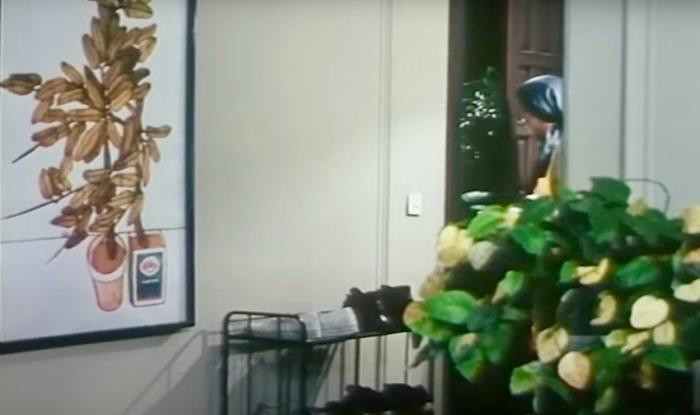
Figure 3: Screenshot from the film Unruled Paper, directed by Nāsir Taqvā’ī (Tehran, 2002).
The painting on the wall features a unique composition in which a single plant grows from two distinct containers: a traditional clay flowerpot and a repurposed tin of cooking oil, a familiar household item in many Iranian kitchens during that period. This juxtaposition of the pots invites reflection on the transformation and resilience embedded in everyday objects.
The clay pot represents the conventional, unchanging vessel, while the tin, having served its original purpose, has been given new life as a plant holder. This transformation symbolizes the adaptation and recycling of materials, a narrative of renewal and reinvention. The fact that the same plant thrives in both pots emphasizes the continuity of life, regardless of the vessel, underscoring themes of resourcefulness and the blending of tradition with modernity.
The painting speaks to a broader cultural practice of reusing objects, highlighting the beauty and potential in the ordinary. It captures the quiet, often overlooked poetry of domestic life, where even a simple tin can find a second purpose, nurturing growth and sustaining life. The artwork resonates with the idea of resilience, where the past and present coalesce to create something enduring and meaningful.
Figure 4: Screenshot from the film Unruled Paper, directed by Nāsir Taqvā’ī (Tehran, 2002).
The image shows a character ironing while facing a painting of a distorted figure who is also engaged in ironing. The abstract nature of the form-seemingly human yet distorted-reflects a struggle with inner turmoil or a feeling of deep, unspoken sorrow. The muted, almost washed-out palette intensifies the feeling of desolation as if the figure is trapped within its own despair. The painting captures the figure in a melancholic state, its posture slumped and weary. This parallel between the real and the painted figure highlights the emotional weight of the mundane task. The distortion in the painting emphasizes the fatigue and burden often associated with repetitive, everyday chores. The scene blurs the line between the character and the painting, creating a quiet reflection of the exhaustion and monotony embedded in routine activities. This piece, through its stark minimalism and distorted anatomy, seems to channel a silent scream, a visual echo of the alienation and helplessness often felt in the face of overwhelming emotional or existential crises. The viewer is drawn into this void, left to confront the unease and introspection the painting demands.
Figure 5: Screenshot from the film Unruled Paper, directed by Nāsir Taqvā’ī (Tehran, 2002).
This is the scene I admire in Nāsir Taqvā’ī’s work: Jahān is bowing to find something, and the frame is composed to show him before a traditional statue, likely of a skilled woman with many hands, balancing everything she carries above her head—symbolizing the burden of managing multiple aspects of life. To his right, a modern painting features a red flower, newly placed in a common household object—not a vase, but a repurposed Coke bottle, transforming it from an everyday item into something that not only serves a purpose but also adds beauty and function. The room, bathed in natural light, harmoniously blends the traditional presence of the statue with contemporary artwork, creating a striking contrast that enhances the scene’s visual and symbolic depth.

Figure 6: Screenshot from the film Unruled Paper, directed by Nāsir Taqvā’ī (Tehran, 2002).
The statue represents a multi-armed deity, a prevalent motif in Hindu iconography. The multiple arms symbolize the deity’s omnipotence, with each arm often holding different objects that represent various aspects of life or cosmic principles. In Hinduism, multi-armed deities signify their ability to perform numerous tasks simultaneously, reflecting their vast powers. For example, the goddess Durga is frequently depicted with multiple arms, each holding a weapon given by different gods to combat the buffalo demon Mahishasura. Similarly, the god Vishnu, when shown with multiple arms, typically holds a conch, discus, mace, and lotus flower, each symbolizing different aspects of his divine attributes. This tradition of depicting deities with multiple arms dates to ancient Hindu art, particularly during the Gupta period (circa 4th to 6th century CE), when this artistic style became prominent, allowing worshippers to visually grasp the immense power and responsibilities of the deity.10NAME OF THE AUTHOR“Multi-Armed Deity in Hindu Iconography,” In The Art of Hinduism: Symbolism and Significance, ed. Jaya Sharma (New Delhi: Art Publications, 2023), 45-67.
Figure 7: Screenshot from the film Unruled Paper, directed by Nāsir Taqvā’ī (Tehran, 2002).
In this image, the woman sits at a kitchen table, deeply absorbed in her thoughts. The scene is intimate and quiet, yet it carries a weight of unspoken emotions. Her hands are clasped as if in prayer or contemplation, suggesting she is grappling with something profound, perhaps the complexities of her life, the burdens of her problems, or the elusive nature of her dreams. On the wall behind her hangs a striking portrait painted in dark, intense colors. The portrait’s expression is enigmatic, a mix of a smirk and sadness. The artist has obscured half of the face with heavy brushstrokes, making it partially hidden, much like the layers of the woman’s inner world that remain unspoken or suppressed. This obscured face mirrors the woman’s own experience, where societal expectations have buried parts of her true self, her aspirations, and her dreams beneath the surface. The interplay between the woman and the painting creates a dialogue within the image. The sharp, almost harsh colors of the portrait contrast with the softer, more muted tones of the kitchen, emphasizing the tension between the woman’s inner world and the external reality she faces. The painting reflects her inner turmoil, the conflicting emotions that swirl within her: half-dream, half-reality, half-visible, half-hidden. The setting, with its everyday objects and warm light juxtaposed against the dark tones of the painting, underscores the dichotomy between the ordinary and the profound in her life. This moment captures a deeply human experience: the struggle between the self that conforms to tradition and the self that dreams of breaking free.
Figure 8: Screenshot from the film Unruled Paper, directed by Nāsir Taqvā’ī (Tehran, 2002).
The painting appears to depict a man from whom a ladder is growing, symbolizing the idea that, in traditional societies, a man is often perceived as the “stairway” for a woman to achieve her ambitions, but within certain constraints. In the context of the film, this painting plays as a visual metaphor for the relationship between Jahān and Ruyā. Jahān represents a man who, due to his traditional upbringing in a patriarchal society, wants to be supportive but is limited by his ingrained beliefs. He encourages Ruyā to pursue her interest in writing by attending classes, but he still views domestic chores as her primary responsibility. This duality reflects Jahān’s internal conflict between his desire to support Ruyā’s aspirations and his inability to fully embrace the idea of a woman having a career independent of household duties. The displacement of the painting within the film is particularly symbolic. By moving the painting, especially placing it near the kitchen, the film visually emphasizes the role Jahān believes he plays in Ruyā’s life, he sees himself as the enabler of her success, though only within the limits he sets, shaped by his traditional views. The positioning of the painting in front of the kitchen might symbolize how he ties Ruyā’s success to her domestic role, suggesting that her achievements are only possible if she fulfills her duties as a homemaker. Overall, the painting and its replacement within the film show Jahān’s constrained support for Ruyā, reflecting the broader societal expectations and limitations placed on women.
Figure 9: Screenshot from the film Unruled Paper, directed by Nāsir Taqvā’ī (Tehran, 2002).
In the image Jahān is depicted in a workspace, deeply engrossed in reading or working on something. The setting is simple yet telling, with a lamp providing focused light, and a statue of a thinking reminiscent of Rodin’s famous “The Thinker”, prominently displayed on the desk. The presence of the “thinking man” statue is significant in how it reflects Jahān’s character. The statue symbolizes contemplation, intellectual depth, and the traditional association of masculinity with rationality and thoughtfulness. In the context of the film, Jahān is portrayed as someone who is thoughtful and wants to be supportive of Ruyā, reflecting his desire to engage with and understand the world around him, much like the way the “thinking man” contemplates deeply. However, this association with deep thinking also ties into the limitations of his support. Just as the “thinking man” is frozen in a posture of contemplation, Jahān’s support is similarly constrained by his traditional mindset. His contemplation does not necessarily lead to action that breaks free from traditional expectations. He is thoughtful, but his thoughts are still grounded in a patriarchal framework where his role as the “thinking” or “supporting” man does not translate into a full acceptance of Ruyā’s independence or the possibility of her pursuing a career beyond the confines of traditional domestic roles. This statue, much like the ladder in the previous image, serves as a visual metaphor for Jahān’s internal state. While he embodies the traits of a traditional man who contemplates and supports, these traits are rooted in a conventional understanding of gender roles. His thinking is deep but not transformative, indicating how his support for Ruyā is ultimately limited by his inability to break away from the traditional expectations placed on both men and women in his society. The “thinking man” statue reflects Jahān’s intellectual side and his desire to support Ruyā, yet it also symbolizes the limitations of his support, which is bound by the traditional roles he has internalized. This creates a nuanced portrayal of a man who wants to be progressive but is hindered by the traditions that define him.
What Time Is It in Your World?
The film, directed by Safī Yazdāniyān, opens with Gulī (Hātamī) arriving at Tehran airport for her first visit to her hometown, Rasht, in two decades. Having lived in France, she seems to have built a stable life, as suggested by a phone conversation with her presumed partner, Antoine, about her sudden change of plans. A lively, semi-acoustic guitar soundtrack sets the tone for what feels like the start of a road trip. In many ways, What’s the Time in Your World? is just that a journey through memories. At the Rasht bus terminal, Gulī is greeted by the local frame-maker, Farhād (A. Musaffā), who helps her into a taxi. Although he clearly knows her (they share a peculiar window tap greeting), Gulī is bewildered, certain that she has never met Farhād before. He leaves her to go about her day, but soon he starts appearing wherever she goes -the market, her favorite diner, random streets. This triggers Gulī’s deeper investigation into her memory and identity.11“Dar donya ye to saat chand ast?,” IMDb, accessed September 9, 2024, https://www.imdb.com/title/tt4108894/. The film reflects on how Gulī, upon returning to Rasht after twenty years, is forced to confront her past through the memories that resurface. These memories are woven together by a painting she both receives and reenacts. Farhād gives her a replica of a painting of Mary Cassatt, originally painted by Edgar Degas in 1880. Safī Yazdāniyān once mentioned: “I was captivated by the idea of a woman’s face being hidden when viewing Edgar Degas’s paintings. We chose a version from his series “Mary Cassatt at the Louvre” with no background, allowing us to reconstruct the central figure of the woman in any space or environment.”12“Dar donya ye to saat chand ast?,” Farhangland, accessed September 22, 2024, https://shorturl.at/OUJ55. Mary Cassatt, an American painter, often modeled for the French artist Edgar Degas.
Throughout their careers, they mutually inspired and challenged each other, occasionally collaborating. Neither Degas nor Cassatt ever married, sparking speculation about their relationship.13Abigail Yoder, “The Artistic Friendship of Mary Cassatt and Edgar Degas,” Saint Louis Art Museum, April 20, 2017, accessed September 9, 2024, https://www.slam.org/blog/the-artistic-friendship-of-mary-cassatt-and-edgar-degas/. Degas perhaps offered the best description of their bond, stating, “There is someone who feels as I do.“14Achille Segard, Mary Cassatt: Un Peintre des enfants et des mères (Paris, 1913); quoted in Amanda T. Zehnder, “Forty Years of Artistic Exchange,” in Degas/Cassatt, ed. Kimberly A. Jones (Washington: National Gallery of Art, 2014), PAGE NUMBERS This feeling between these two, represented by the painting can also tell us more about a relationship which is led by Farhād, which is an inconvenient one. The recurring presence of this painting in the film extends beyond the canvas. Gulī cross-dresses in her late father’s suit, transforming the artwork into a liminal space where she attempts to reconnect with memories she cannot fully grasp -memories she cannot hug, touch, or kiss. In Iran, where censorship limits physical expression, the painting provides a way to bypass these constraints, expressing emotions that cannot be openly displayed.
In a film where time feels subjective, the use of visual art helps bridge the gap between the abstract concept of time and the audience’s understanding. The artwork serves as a visual metaphor, deepening the audience’s connection to the film’s temporal and emotional layers. The presentation of the paintings in this film functions as a deliberate strategy, enabling the director to transcend conventional depictions of time and memory, and instead engage in a more nuanced exploration of memory and the process of recollection. In Yazdāniyān’s film, physical spaces and objects serve as metaphors for different experiences of time, where time is not merely a chronological sequence but an emotional or mental journey. In this movie paintings, frames, and the curatorial of the paintings’ representation in their frames are mediums that approach time as a layered, non-linear construct. The way visual art is presented in this context contrasts with Nāsir Taqvā’ī’s subtle approach. In Taqvā’ī’s films, the artwork functions more like a foil character, influencing the flow of scenes indirectly and emphasizing themes without being the center of attention. It complements the narrative, playing a supportive yet essential role in shaping the film’s deeper meanings.
Here, however, the painting itself becomes central. Rather than subtly guiding the action from the margins, it takes on a more active, transformative role. The main character, Gulī, animates the artwork by physically embodying the posture of the portrait, bringing it to life and making the visual art an integral part of the narrative. This shift moves the painting from a background element to the forefront, merging the lines between character and art in a way that directly drives the story forward.
Figure 10: Screenshots from the film Mary Cassatt, directed by Safī Yazdāniyān (Tehran 2014).
The portrait depicts a solitary, abstract figure, whose anonymity conveys a universal, timeless quality. In the film, this ambiguity ties into the exploration of time and its impact on personal identity and memory. The figure may symbolize Gulī’s reflection on her own identity, distorted by time, emotions, and memories, much like how the audience is prompted to reconsider their relationship with time. Gulī’s act of holding the artwork suggests a connection to the past—revisiting a memory, relationship, or part of herself preserved within the portrait. Her gentle grasp reflects a longing or careful engagement with what the artwork represents. This gesture mirrors the film’s broader exploration of how individuals cling to past fragments as time progresses. Both Gulī and the viewer are invited to reflect on how they “hold” their own past—whether through objects, memories, or emotions. The framed portrait emphasizes art’s role as a tangible object that holds memory and meaning. While time in Yazdāniyān’s film is fluid and subjective, objects like artworks anchor it, providing physical representations of otherwise abstract experiences. The artwork becomes a container for memory, preserving moments that can be revisited through touch and reflection. This tactile interaction suggests that memory, like art, can be held, revisited, and reinterpreted over time.
In this fragmented, subjective portrayal of time, the hand touching the portrait symbolizes an attempt to reconnect with the past. Yet the frame’s boundaries and the figure’s distortion suggest the complexity of such efforts. Time blurs the edges of memory, making it difficult to hold onto any single version of the past. The distorted figure may signify the erosion of memory and identity over time. In What’s the Time in Your World?, characters experience time in disjointed, subjective ways. The ambiguity of the figure reflects the loss or fragmentation of personal identity as memories fade and identities shift. This figure could represent someone from Gulī’s past, a reflection of herself, or a symbol of a changing or lost identity. This carefully held portrait underscores the emotional and philosophical exploration of time in the film. The artwork bridges Gulī’s personal reflection and the film’s meditation on how individuals experience and interact with time. Through memory, identity, and the physical interaction with art, Yazdāniyān invites viewers to consider how they hold onto their past, how time distorts identity, and how art serves as a vessel for emotional and temporal experiences.
Figure 11: Screenshots from the film Mary Cassatt, directed by Safī Yazdāniyān (Tehran, 2014).
The use of frames throughout the film also can act as a metaphor for how people frame their own experiences of time. Just as the artwork is encased in a frame, memories and identities are shaped and contained within the frames we impose on them. The image in the painting may be distant or faded, much like how memories blur over time. The frame here becomes significant, acting as a boundary for the image it contains. The frame shop of Farhād in Rasht seems to preserve the memories of many as if freezing time to when Gulī was still in town. This boundary symbolizes the limitations people face when trying to understand or recall the past. No matter how much one may long to return to a specific moment, the frame of memory restricts how clearly or fully that time can be remembered. The artwork serves as a reminder that while the past can be revisited, one can never completely step outside the frames that shape their perception of time. This image also could be analyzed as an expression of time’s fluidity in a visual, curatorial sense. The film, which explores subjective perceptions of time, could be reflected in the visual density of this wall, where various artworks from different periods coexist in one space. This arrangement could symbolize how time in the film isn’t linear but layered, with past, present, and future interwoven, much like the artworks seen here.
The urban landscape painting at the bottom left is a frozen moment in time, evoking nostalgia or memories, while the abstract pieces might symbolize the timelessness of emotions or concepts that escape concrete representation. These contrasting styles reflect the film’s thematic exploration of how people experience and interpret time in different ways, some through memory, and some through abstraction. Each artwork can be seen as a temporal marker, a fixed point in a fluid continuum. The overlapping of paintings in this image could then signify how different moments or experiences blur together, much like how the characters in the film may experience overlapping memories or emotions that transcend a linear understanding of time. The frames themselves become crucial to this interpretation. Frames, like the structure of time, offer boundaries and constraints; they frame how we perceive an artwork just as time frames our perception of events. In the context of the film, frames can be seen as symbolic of the limitations placed on the characters’ perception of time—each character has their own “frame” of reference, but stepping beyond these boundaries could lead to new, expanded understandings of time, much like stepping outside of one artwork to observe the entire wall reveals the multiplicity of time periods and artistic styles present. This image may serve as a metaphor for how Yazdāniyān visualizes time in his film: fragmented, layered, and multi-directional. Just as this wall brings together artworks from different genres and eras, the film’s narrative structure may layer different times, places, and emotional states, offering the viewer a more complex, nonlinear understanding of the passage of time. The eclectic art collection might be seen as a visual parallel to the film’s fragmented storytelling or its exploration of how time is perceived differently by each individual, influenced by their memories, emotions, and subjective experiences. Just as the film challenges the viewer to consider time through different lenses—memory, experience, emotion—this wall of artworks invites a reflection on how different moments in time (and different artistic expressions) can coexist, creating a complex, multi-dimensional experience for the observer.
Overall, Gulī’s interaction with the artwork, particularly her holding of the portrait, underscores the film’s thematic focus on the intersection of memory and identity. The portrait’s abstract, solitary figure symbolizes the universal and timeless nature of personal reflection, inviting both Gulī and the viewer to reconsider their relationship with the past. The frame shop, and the act of framing itself, further represent how memories are constrained and shaped by the boundaries we impose on them. What Time Is It in Your World? challenges conventional depictions of time by layering visual and narrative elements that reflect the fragmented, subjective nature of human experience. The film uses art as a vessel to navigate the complexities of memory and identity, allowing the audience to engage with the temporal dimensions of the story in a deeply personal way. Through its innovative use of visual metaphors, the film not only portrays the erosion of memory over time but also invites viewers to reflect on how art can serve as a tangible connection to the past, reshaping our understanding of who we are across different moments in time.
How can contemporary art be more helpful in circumventing radical censorship?
Contemporary art, engaged with the present moment, acts as a liminal space that bridges the gap created by censorship, transforming abstract concepts into innovative modes of presentation. This space allows for the fluid negotiation of cultural and personal histories. Rather than merely producing new objects, contemporary art offers fresh perspectives, serving as a crucial medium for understanding and connection in a world where traditional communication often fails to capture the complexities of modern life.
Visual art, particularly contemporary, transcends language, expressing emotions and untold narratives in innovative ways. It communicates significant ideas and emotions that cannot be explicitly stated, evoking deeper reflections and feelings that words may fail to capture, effectively functioning as a silent language. Furthermore, the integration of visual art into storytelling transforms it into a dynamic element that merges character and artwork, making it central to the narrative and enhancing audience engagement, thereby highlighting its active role in narrative. Moreover, the interaction among paintings creates an ongoing narrative that influences viewers’ perceptions, inviting them to connect with the film on a more abstract level and perceive meanings beyond the surface, illustrating the dialogue between artworks. This engagement fosters a parallel dimension of understanding, allowing individuals to navigate the meanings concealed beyond censorship. Ultimately, contemporary art’s ability to create silent dialogues that penetrate memory and mind emphasizes its potential as a powerful tool for circumventing radical censorship, transforming limitations into opportunities for deeper reflection and engagement with complex truths.
Censorship as a Tool of Power in Totalitarian Regimes: China and Russia Controlling Cinema Through Suppression
Censorship in cinema is a common tactic employed by totalitarian regimes, exploiting its potential as a potent medium to shape public opinion and control societal narratives. As a powerful and almost magical tool, cinema can profoundly influence public perception and insight. Recognizing this, those in power strategically wield it to manipulate the minds of their citizens, thereby consolidating and maintaining their authority. Like Iran, in countries like China and Russia, this practice is marked by a combination of state-imposed restrictions, self-censorship by filmmakers, and informal regulatory pressures. Government authorities frequently ban films that critique the state, address politically sensitive issues, or challenge official narratives, ensuring that cinema aligns with the regime’s ideological goals.
In China, censorship is strict and systematically enforced, with films that critique the government, such as those dealing with issues like Tiananmen Square, Tibet, and Taiwan, routinely banned. Filmmakers often engage in self-censorship to avoid potential repercussions, altering narratives to comply with official guidelines. At the same time, there is a significant industry of censorship within the film industry itself, where filmmakers avoid controversial subjects even without explicit government orders.15Biltereyst, Daniel, and Roel Vande Winkel, eds. Silencing Cinema: Film Censorship Around the World (New York: Palgrave MacMillan, 2013), PAGE NUMBERS
In Russia, the censorship landscape is shaped by both formal regulations and informal, self-imposed restrictions. Before the war in Ukraine, there was a clear but flexible boundary for filmmakers: it was unsafe to directly criticize the leadership, but one could still address issues relating to lower-level bureaucracy or broader social problems with caution. However, the onset of the war has led to a more unpredictable environment, where self-censorship has intensified, and even seemingly apolitical projects have faced significant delays or cancellations. Both China and Russia exemplify how totalitarian regimes use cinema as a tool for propaganda while stifling dissent through a combination of direct censorship, self-regulation, and fear of retribution, severely limiting the freedom of expression in the arts.16Ivan Filippov, “Censorship in Russian Cinema Isn’t What You Think,” The Moscow Times, October 2, 2023, accessed January 8, 2025, https://www.themoscowtimes.com/2023/10/02/censorship-in-russian-cinema-isnt-what-you-think-a82633. Russian directors, like Andrey Zvyagintsev (Leviathan), use metaphors to critique corruption and systemic problems, subtly pushing back against government narratives.
Directors in these countries often attempt to circumvent censorship through the use of metaphors, symbolism, and allegories, tools that have historically allowed censored subjects to be addressed indirectly. While some choose to voice their concerns openly using foreign platforms, others resist being silenced or forgotten under oppressive regimes. Despite the risks, they refuse to conform entirely. Through art and literature, these filmmakers find subtle ways to communicate with their audience, igniting a spark of awareness, however small or fleeting.
Conclusion
This paper has examined the multifaceted nature of censorship, tracing its historical lineage and highlighting its contemporary practice in Iran, particularly within visual and cinematic arts. Censorship, as articulated by the ACLU, represents more than just the suppression of words, images, or ideas; it embodies a broader imposition of power where political, moral, or personal values are enforced upon society by authorities. From the execution of Socrates in ancient Greece to the present- day restrictions faced by Iranian artists, censorship has long served as a means for those in power to shape and control public discourse, often at the expense of creativity, dissent, and independent thought. The persistence of censorship across history underscores a fundamental tension between authority and the human desire for freedom of expression. This dynamic is evident in Iran, where government-imposed censorship has permeated every aspect of life, particularly in media and art. Filmmakers like Nāsir Taqvā’ī and Safī Yazdāniyān have had to navigate these constraints by embedding subtle critiques and layered narratives within their works. Through the clever use of visual metaphors, symbols, and abstract representations, these artists circumvent overt censorship, providing audiences with alternative ways to engage with complex and often controversial subjects.
Visual art, particularly in its contemporary forms, operate as a powerful tool for exploring and communicating ideas that censorship seeks to suppress. This aligns with Kierkegaard’s philosophy, which emphasizes the indirect communication of truths and the importance of personal discovery. Kierkegaard argued that art does not convey truths directly but rather invites individuals into a process of introspection and self-discovery. This maieutic approach, akin to the Socratic method of guiding individuals to “give birth” to their own knowledge, allows art to function as a silent provocateur, engaging viewers in a dialogue that transcends the immediate constraints of language and censorship.
Kierkegaard’s concept of indirect communication is particularly relevant in the context of censorship, as it highlights how art can bypass direct confrontation and instead engage with audiences on a deeper, more personal level. In environments where open expression is curtailed, art’s capacity to evoke emotions, prompt reflection, and provoke thought becomes a critical avenue for exploring suppressed ideas. The layered, often ambiguous nature of visual art allows it to operate in a liminal space, one that resists definitive interpretation and thus escapes the rigid binaries of censored versus uncensored content.
In Iran, where censorship not only shapes what can be seen but also dictates how it is perceived, contemporary art functions as a vital medium for preserving the nuances of human experience. The visual dialogues embedded within films like Unruled Paper and What Time Is It in Your World? reveal the potential of art to transcend conventional boundaries and engage with themes of memory, identity, and resistance. These artworks do not merely represent forbidden concepts; they act as catalysts for broader reflections on freedom, personal agency, and the resilience of the human spirit.
Kierkegaard’s belief that art guides individuals toward self-discovery resonates deeply in the context of Iranian art under censorship. Just as Kierkegaard’s maieutic approach encourages learners to uncover their own truths, art under censorship compels viewers to look beyond the surface, engaging with the hidden layers of meaning that defy simplistic interpretation. This process of discovery mirrors the broader struggle against censorship itself: the more an idea is suppressed, the more it proliferates in unexpected and resilient forms.
The interplay between art and censorship illustrates a profound irony: while censorship aims to confine thought, it often spurs greater creativity and deeper engagement. In suppressing direct expression, censorship inadvertently pushes artists toward more innovative, abstract, and symbolic forms of communication, enriching the cultural landscape rather than diminishing it. This paradox highlights a critical truth: the mind’s capacity for creativity cannot be fully constrained, and art, in its myriad forms, continues to carve out spaces for free thought and expression.
Ultimately, censorship is a reminder of the enduring power struggle between authority and the creative impulse. Despite efforts to silence dissent, the human drive to explore, question, and express remain irrepressible. Through the lens of Kierkegaard’s philosophy, we see that art does not merely survive censorship; it thrives within it, transforming limitations into opportunities for deeper engagement and personal revelation. In this sense, art becomes more than a mode of communication, it is a testament to the unyielding nature of human creativity and the relentless pursuit of truth, even in the face of suppression.
